How to Make Words Fit in a Table Google Slides: The Art of Precision in Presentation Design
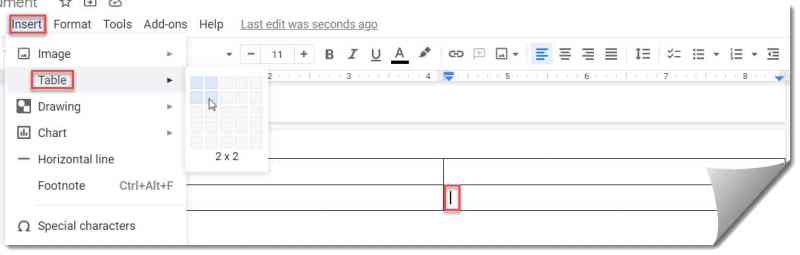
Google Slides tables are not just containers for data—they are the silent architects of clarity in your presentations. Yet, even the most meticulously organized content can collapse into chaos when words refuse to conform to the boundaries of a cell. The struggle to how to make words fit in a table Google Slides is a universal one, faced by professionals, educators, and creatives alike. Whether you’re cramming a dense dataset into a single slide or refining a narrative-driven table, the tension between legibility and space efficiency is ever-present. The solution lies not in brute-force adjustments but in a strategic blend of typography, layout, and dynamic formatting—tools often overlooked in favor of quick fixes like shrinking fonts or merging cells.
The irony of digital presentation tools is that they promise efficiency, yet the act of adjusting text to fit neatly in Google Slides tables can become a time-consuming puzzle. A single misaligned word can disrupt the entire visual hierarchy, turning a polished slide into an eyesore. The key to resolution isn’t just technical—it’s conceptual. Understanding how Google Slides handles text flow, wrap settings, and conditional formatting transforms a frustrating task into a controlled process. This isn’t about forcing words into submission; it’s about designing a table that accommodates them without sacrificing readability or professionalism.
Professionals who treat tables as static grids often miss the opportunity to leverage Google Slides’ hidden features. For instance, did you know that adjusting the column width dynamically can automatically reflow text, or that custom cell styles can enforce consistent formatting across rows? These nuances separate amateur presentations from those that command attention. The goal isn’t just to fit text into a Google Slides table—it’s to do so in a way that enhances comprehension and maintains visual appeal. Below, we dissect the mechanics, benefits, and future of this often-overlooked aspect of presentation design.
The Complete Overview of How to Make Words Fit in a Table Google Slides
Google Slides tables are designed to be flexible, yet their adaptability is frequently misunderstood. The core challenge when attempting to how to make words fit in a table Google Slides stems from two conflicting demands: preserving readability and adhering to design constraints. Unlike static documents, slides prioritize visual impact, meaning that a table’s functionality must align with its aesthetic role. This duality explains why even experienced users resort to suboptimal solutions—like reducing font size or manually wrapping text—when more elegant methods exist.The solution begins with recognizing that Google Slides offers multiple layers of control over text within tables. These include auto-resizing columns, text wrapping options, and conditional formatting rules that adjust dynamically based on content length. However, these tools are often buried under layers of menus or obscured by default settings. For example, the "Wrap text in cell" option, while intuitive, is frequently overlooked in favor of forcing text into a single line, which can lead to awkward line breaks or truncated content. The art of optimizing text fit in Google Slides tables lies in balancing these settings to achieve a harmonious result—one where data remains scannable and the slide retains its intended flow.
Historical Background and Evolution
The evolution of table formatting in presentation software mirrors broader trends in digital design. Early tools like Microsoft PowerPoint and its Google Slides counterpart treated tables as afterthoughts, offering limited customization beyond basic borders and cell merging. Users who needed to adjust text to fit in Google Slides tables were left with clunky workarounds: resizing columns manually, reducing font sizes uniformly, or even splitting content across multiple slides. This era reflected a time when presentations were often static, prioritizing bullet points over data-driven storytelling.The turning point came with the rise of cloud-based collaboration tools, which introduced real-time adjustments and dynamic formatting. Google Slides, in particular, began incorporating features like auto-resizing columns and text overflow handling, allowing users to make words fit in a table Google Slides without sacrificing readability. These advancements were driven by the need for flexibility in remote work and hybrid presentations, where data density and visual clarity became non-negotiable. Today, the ability to fit text neatly into Google Slides tables is no longer a technical limitation but a design choice—one that can elevate a presentation from functional to impactful.
Core Mechanisms: How It Works
At its core, Google Slides’ text-handling system in tables operates on three primary mechanisms: text wrapping, column resizing, and font scaling. When you attempt to how to make words fit in a table Google Slides, the software first checks whether the cell’s width can accommodate the text without wrapping. If not, it triggers a cascade of adjustments—column expansion, line breaks, or even truncation—depending on the settings. The key to controlling this behavior lies in understanding how these mechanisms interact.Table of Contents
- The Complete Overview of How to Make Words Fit in a Table Google Slides
- Historical Background and Evolution
- Core Mechanisms: How It Works
- Key Benefits and Crucial Impact
- Major Advantages
- Comparative Analysis
- Future Trends and Innovations
- Conclusion
- Comprehensive FAQs
- Q: Can I make Google Slides automatically resize columns to fit text?
- Q: Why does my text in Google Slides tables appear cut off?
- Q: How do I ensure consistent font sizes across all table cells?
- Q: Is there a way to merge cells in Google Slides without losing text alignment?
- Q: Can I export a Google Slides table with perfect text fit to PDF or PPT?
- Q: What’s the best font size for readability in a Google Slides table?
- Q: How do I handle very long URLs or codes in a Google Slides table?
- Q: Can I use Google Slides’ "Text Box" feature inside tables for better control?
- Q: What’s the difference between "AutoFit" and "Wrap Text" in Google Slides tables?
For instance, enabling "Wrap text in cell" forces Google Slides to distribute text across multiple lines within the cell’s boundaries, but this can lead to uneven row heights if not managed carefully. Conversely, auto-resizing columns dynamically adjusts width based on content, but this may disrupt the table’s overall alignment. The most effective approach often involves a combination of these methods: setting a maximum column width, enabling text wrapping, and using conditional formatting to apply these rules consistently across the table. This layered strategy ensures that words fit seamlessly in Google Slides tables while maintaining the slide’s visual integrity.
Key Benefits and Crucial Impact
The ability to make words fit in a table Google Slides efficiently is more than a technical skill—it’s a cornerstone of effective communication. A well-formatted table reduces cognitive load for the audience, allowing them to absorb data without distraction. Poorly fitted text, on the other hand, creates visual noise, forcing viewers to decipher fragmented information or resort to reading slides like documents. The impact of this distinction is particularly pronounced in professional settings, where clarity can determine the success of a pitch, report, or educational lecture.Beyond readability, mastering table text alignment in Google Slides enhances the slide’s role as a storytelling tool. A table isn’t just a repository for data; it’s a narrative device that can highlight trends, compare metrics, or illustrate relationships. When text is properly fitted into Google Slides tables, it reinforces the slide’s message, ensuring that the audience’s focus remains on the insights rather than the formatting quirks. This alignment between content and design is what separates a slide deck from a presentation.
"A table is only as effective as its ability to communicate without distraction. The moment text fights for space, the message loses its power." — Edward Tufte, Data Visualization Expert
Major Advantages
- Enhanced Readability: Properly fitted text ensures that lines are neither too short (which disrupts flow) nor too long (which strains the eyes). This balance is critical for maintaining audience engagement during long presentations.
- Consistent Design: Dynamic formatting rules (e.g., auto-resizing columns) eliminate the need for manual adjustments, reducing the risk of inconsistencies across slides.
- Scalability: Techniques like conditional formatting allow tables to adapt to varying data lengths without requiring redesign, making them ideal for collaborative or iterative projects.
- Visual Hierarchy: By controlling text fit, you can emphasize key data points through strategic spacing, font weight, or color—directing the audience’s attention to what matters most.
- Professional Polish: Slides that avoid awkward text overflow or truncated content project an air of professionalism, subtly reinforcing the presenter’s credibility.

Comparative Analysis
While Google Slides excels in cloud-based collaboration, other tools offer distinct advantages for fitting text into tables. Below is a comparison of key features:| Feature | Google Slides | Microsoft PowerPoint | Canva |
|---|---|---|---|
| Text Wrapping in Tables | Manual wrap option; auto-resize columns available | Advanced wrap controls; supports multi-line cells | Limited wrapping; relies on manual adjustments |
| Dynamic Column Resizing | Yes (with conditional formatting) | Yes (via "AutoFit" options) | No (static sizing only) |
| Font Scaling | Manual only; no auto-scaling | Supports proportional scaling | Limited to predefined templates |
| Collaboration Features | Real-time co-editing; cloud-based | Co-authoring with OneDrive integration | Team comments; no live editing |
Future Trends and Innovations
The future of how to make words fit in a table Google Slides lies in AI-driven automation and adaptive design. Emerging tools are likely to incorporate machine learning algorithms that predict optimal text flow based on content density, automatically adjusting column widths, font sizes, and even table layouts to fit the slide’s theme. For example, imagine a Google Slides table that resizes columns not just based on current content but on anticipated audience needs—expanding for detailed data in a workshop but condensing for a high-level executive summary.Another trend is the integration of dynamic data visualization within tables, where text and numbers adapt in real time to user interactions. This could include features like "expandable cells" for deep dives or "collapsible rows" to simplify complex datasets. As Google Workspace continues to evolve, we may also see tighter integration with tools like Google Sheets, allowing tables to pull live data while maintaining seamless text formatting. These innovations will redefine how professionals approach fitting text into Google Slides tables, shifting the focus from manual adjustments to intelligent design systems.
Conclusion
The art of making words fit in a table Google Slides is a microcosm of presentation design—where precision meets creativity. It’s not about forcing text into a rigid grid but about designing a table that serves the content while respecting the audience’s need for clarity. By leveraging features like text wrapping, dynamic resizing, and conditional formatting, you can transform a potential source of frustration into a strength, ensuring that every slide contributes to the narrative rather than detracting from it.As presentation tools advance, the line between technical skill and artistic judgment will blur further. The ability to adjust text to fit in Google Slides tables efficiently will remain a differentiator, separating those who present data from those who communicate it. The key takeaway? Treat tables not as containers, but as active participants in your story.
Comprehensive FAQs
Q: Can I make Google Slides automatically resize columns to fit text?
A: Yes. Select the table, right-click, and choose "Table properties." Under the "Column" tab, enable "Auto-resize columns to fit text." For more control, use conditional formatting to apply this rule dynamically based on cell content.
Q: Why does my text in Google Slides tables appear cut off?
A: Truncated text usually occurs when "Wrap text in cell" is disabled or the column width is too narrow. Enable wrapping (right-click > "Wrap text in cell") or manually adjust the column width by dragging the edge or using the "Resize column" option in the table menu.
Q: How do I ensure consistent font sizes across all table cells?
A: Highlight the table, then use the toolbar’s font size dropdown to apply a uniform size. For conditional formatting, go to "Format" > "Conditional formatting" and set rules to standardize font scaling based on cell content length.
Q: Is there a way to merge cells in Google Slides without losing text alignment?
A: Merging cells in Google Slides will center-align the text by default. To preserve alignment, manually adjust the text position after merging or use a workaround: insert a text box over the merged cells and align it to the desired position.
Q: Can I export a Google Slides table with perfect text fit to PDF or PPT?
A: Yes, but ensure all text wrapping and resizing adjustments are applied before exporting. Google Slides retains formatting during conversion, so test the output in preview mode to confirm text integrity.
Q: What’s the best font size for readability in a Google Slides table?
A: Aim for 10–12 points for body text in tables, with headers at 14–16 points. Avoid going below 8 points, as this risks reducing legibility, especially in larger audiences or when projected.
Q: How do I handle very long URLs or codes in a Google Slides table?
A: For unbroken text like URLs, enable text wrapping and manually adjust the column width. Alternatively, use the "Shrink to fit" option (right-click > "Shrink to fit") to compress the text proportionally, though this may reduce readability.
Q: Can I use Google Slides’ "Text Box" feature inside tables for better control?
A: No, tables in Google Slides do not support nested text boxes. Instead, use the table’s built-in text formatting tools or consider splitting the content into separate slides if precision is critical.
Q: What’s the difference between "AutoFit" and "Wrap Text" in Google Slides tables?
A: "AutoFit" dynamically resizes columns to fit content, while "Wrap Text" forces text to break into multiple lines within the cell’s boundaries. Use both together for optimal results: enable wrapping to prevent overflow, then use AutoFit to balance column widths.
Leave a Comment
Comments are moderated before appearing. The data you submit is processed according to the Privacy Policy of Sac.