How to Download Facebook Videos: The Definitive Guide to Saving Clips
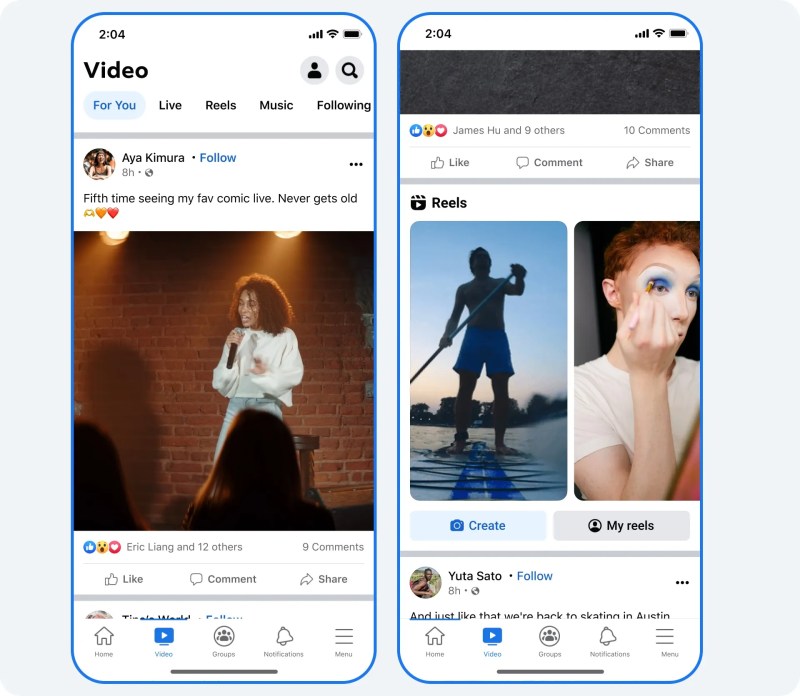
Facebook’s video ecosystem has evolved from grainy 720p clips to high-definition content, making the ability to download Facebook download video a necessity for creators, marketers, and casual users alike. Whether it’s archiving a viral moment, repurposing content for a project, or simply offline viewing, the demand for saving Facebook videos persists—yet the platform’s policies and technical barriers often complicate the process. The tension between user convenience and Meta’s restrictions creates a gray area where third-party tools, browser extensions, and manual workarounds vie for dominance.
The methods to download Facebook download video range from official (though limited) to unofficial, each carrying its own set of risks and rewards. Native solutions like Facebook’s built-in save feature cater to basic needs, while advanced users turn to screen recording, URL manipulation, or dedicated software for higher quality and flexibility. However, the legal and ethical considerations—such as copyright infringement and Terms of Service violations—add layers of complexity. Understanding these nuances is critical for anyone seeking to download Facebook download video without crossing ethical or legal lines.
The Complete Overview of Downloading Facebook Videos
The process of download Facebook download video has become a digital necessity, driven by Facebook’s role as both a content hub and a restrictive platform. While Meta provides tools to save videos to your camera roll or download them directly, these options are often cumbersome or limited to specific formats. Users frequently seek alternative methods—such as desktop applications, browser extensions, or online converters—to bypass these constraints. However, these workarounds introduce risks, including malware exposure, low-quality output, or outright violation of Facebook’s policies.The evolution of download Facebook download video techniques reflects broader shifts in digital consumption. As Facebook’s algorithm prioritizes video content, users increasingly rely on external tools to repurpose clips for personal use, professional projects, or social media cross-posting. The challenge lies in balancing efficiency with legality; many third-party solutions operate in a legal limbo, offering convenience at the cost of potential penalties. For businesses and content creators, this dilemma is particularly acute, as they must weigh the need for flexibility against the risks of copyright strikes or account restrictions.
Historical Background and Evolution
The ability to download Facebook download video emerged as a side effect of Facebook’s rapid expansion into video sharing, beginning with its 2013 acquisition of Instagram and the subsequent push toward mobile-first content. Initially, users relied on manual screenshots or screen recording apps to capture clips, but these methods were inefficient for longer videos. The first wave of third-party tools—such as 4K Video Downloader and YTD Video Downloader—gained popularity by exploiting Facebook’s URL structure to extract video files directly.As Meta tightened security measures, these tools adapted by integrating browser extensions and API workarounds. The rise of Facebook Live further complicated the landscape, as live-streamed content was often inaccessible post-broadcast unless saved by viewers in real time. Today, the download Facebook download video ecosystem is fragmented, with solutions ranging from official (but limited) features to underground scripts and paid software. The cat-and-mouse game between Meta’s security updates and tool developers continues, shaping the methods available to users.
Core Mechanisms: How It Works
At its core, download Facebook download video relies on either native Facebook functionalities or external interventions that exploit the platform’s underlying architecture. Native methods—such as the "Save Video" option in the mobile app or the "Download" button in the desktop player—work by embedding the video file in a temporary cache or directly routing it to a device’s storage. These methods are secure but often restrict format choices (e.g., MP4 with watermarks) and resolution.Third-party tools, on the other hand, typically operate by:
1. URL Parsing: Extracting the direct video link from Facebook’s HTML or API responses.
2. Proxy Servers: Bypassing Facebook’s restrictions by routing requests through intermediary servers.
3. Format Conversion: Transcoding the downloaded video into higher-quality formats (e.g., converting watermarked MP4s to lossless AVI).
4. Automation: Using scripts or APIs to batch-download multiple videos or live streams.
These mechanisms vary in reliability, with some tools requiring manual input (e.g., pasting a video URL) and others automating the process via browser extensions or desktop applications.
Key Benefits and Crucial Impact
The ability to download Facebook download video serves practical and strategic purposes across personal and professional spheres. For individuals, it enables offline viewing in areas with poor connectivity, archiving sentimental moments, or repurposing content for personal projects. Professionals—such as marketers, educators, and journalists—leverage downloaded videos to analyze trends, create compilations, or study competitor strategies without relying on Facebook’s ephemeral nature. The impact extends to accessibility, as downloaded content can be edited, transcribed, or shared in formats incompatible with Facebook’s platform.Table of Contents
- The Complete Overview of Downloading Facebook Videos
- Historical Background and Evolution
- Core Mechanisms: How It Works
- Key Benefits and Crucial Impact
- Major Advantages
- Comparative Analysis
- Future Trends and Innovations
- Conclusion
- Comprehensive FAQs
- Q: Is it legal to download Facebook videos?
- Q: Why does Facebook block video downloads?
- Q: Can I download Facebook Live videos after they end?
- Q: How do I remove watermarks from downloaded Facebook videos?
- Q: Are there risks to using third-party download tools?
- Q: What’s the best method for downloading high-quality Facebook videos?
- Q: Can I download videos from Facebook Groups or Pages I don’t manage?
- Q: How do I download Facebook videos on iPhone/iPad without jailbreaking?
- Q: What should I do if a download tool fails to work?
- Q: Are there Facebook video download tools that work without installing software?
However, the benefits come with trade-offs. Legal risks include copyright violations, especially when downloading licensed or proprietary content. Technical limitations—such as watermarks, low resolutions, or failed downloads—frustrate users seeking high-fidelity copies. Ethical considerations also arise, as indiscriminate downloading may contribute to bandwidth strain on Facebook’s servers or violate the platform’s Terms of Service, risking account suspension.
"Facebook’s restrictions on video downloads reflect a broader trend where platforms prioritize engagement over user control. The tools that emerge to bypass these restrictions highlight the tension between corporate policy and consumer demand for digital ownership."
— Tech Policy Analyst, 2023
Major Advantages
Despite the challenges, download Facebook download video offers distinct advantages:
Comparative Analysis
The table below contrasts the most common methods for download Facebook download video, highlighting their pros, cons, and suitability for different use cases.| Method | Pros and Cons |
|---|---|
| Native Facebook Save/Download |
|
| Browser Extensions (e.g., Video DownloadHelper) |
|
| Desktop Applications (e.g., 4K Video Downloader) |
|
| Online Converters (e.g., Y2mate) |
|
Future Trends and Innovations
The landscape of download Facebook download video is poised for transformation as AI and decentralized technologies reshape content access. Emerging trends include:However, Meta’s historical resistance to user-controlled content suggests that download Facebook download video will remain a cat-and-mouse game. Users must stay vigilant, adapting to new tools while navigating the ethical and legal minefield.

Conclusion
The quest to download Facebook download video underscores a fundamental user need: control over digital content in an era of platform monopolies. While native solutions offer limited relief, third-party tools fill the gap—albeit with risks. The key to responsible downloading lies in balancing convenience with compliance, whether through official channels or carefully vetted alternatives. As Facebook’s video ecosystem expands, so too will the methods to access it, demanding that users remain informed and adaptive.For those prioritizing legality, leveraging Facebook’s built-in tools or seeking permission from content owners remains the safest path. For others, the trade-offs between efficiency and risk must be weighed carefully. Ultimately, the ability to download Facebook download video reflects broader debates about digital ownership, platform governance, and the future of online content.
Comprehensive FAQs
Q: Is it legal to download Facebook videos?
The legality depends on the context. Downloading videos for personal, non-commercial use (e.g., archiving) may fall under fair use in some jurisdictions, but Facebook’s Terms of Service prohibit unauthorized downloads. Commercial use or distributing downloaded content without permission is illegal and risks copyright strikes. Always check the content’s copyright status or obtain permission when in doubt.
Q: Why does Facebook block video downloads?
Facebook restricts direct downloads to protect revenue streams (e.g., ads, subscriptions) and prevent piracy. By limiting access, the platform ensures users remain engaged within its ecosystem, reducing the likelihood of content being repurposed elsewhere. Additionally, blocking downloads mitigates risks like data scraping or unauthorized redistribution.
Q: Can I download Facebook Live videos after they end?
Yes, but with limitations. Facebook Live videos are typically available for 8 hours post-broadcast before being archived or deleted. During this window, you can use third-party tools to download them. After archiving, the video may remain on the uploader’s profile, but downloading it depends on the uploader’s privacy settings. Live streams with restricted sharing (e.g., private events) cannot be downloaded by non-attendees.
Q: How do I remove watermarks from downloaded Facebook videos?
Facebook often adds watermarks to downloaded videos to discourage redistribution. Removing them requires third-party software like:
Q: Are there risks to using third-party download tools?
Yes. Common risks include:
Q: What’s the best method for downloading high-quality Facebook videos?
For high-quality downloads, prioritize these methods in order:
1. Native Facebook App (Mobile): Open the video, tap the three dots → "Save Video" (supports up to 1080p on some devices).
2. Desktop Player: Right-click the video → "Save video as" (MP4, but may include watermarks).
3. 4K Video Downloader: Offers batch downloads in 4K/HD (paid version recommended).
4. Browser Extensions: Tools like Video DownloadHelper (Chrome/Firefox) for real-time saves.
Avoid: Online converters (poor quality) or unverified software.
Q: Can I download videos from Facebook Groups or Pages I don’t manage?
Downloading videos from public Groups/Pages is technically possible but ethically questionable. Facebook’s ToS prohibit scraping or bulk-downloading content without permission. For private Groups, downloading requires explicit consent from the admin. If the content is copyrighted, unauthorized downloads may lead to legal action. Always check the Group’s rules or contact the admin before proceeding.
Q: How do I download Facebook videos on iPhone/iPad without jailbreaking?
Apple’s strict sandboxing limits third-party downloads, but these methods work:
1. Native Save Feature:
Q: What should I do if a download tool fails to work?
Troubleshooting steps:
Q: Are there Facebook video download tools that work without installing software?
Yes, but with trade-offs:
Leave a Comment
Comments are moderated before appearing. The data you submit is processed according to the Privacy Policy of Sac.