Quick Context: Imagine you take your car in to the shop for routine service and the mechanic says you need a number of repairs. George Akerlof, a Nobel Prize-winning economist, analyzed the theory of
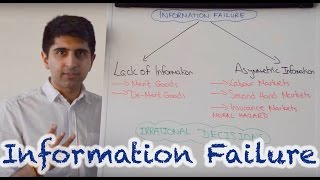
Asymmetric Information Adverse Selection Moral Hazard Economics Explained -
Imagine you take your car in to the shop for routine service and the mechanic says you need a number of repairs. George Akerlof, a Nobel Prize-winning economist, analyzed the theory of
Important details found
- Imagine you take your car in to the shop for routine service and the mechanic says you need a number of repairs.
- George Akerlof, a Nobel Prize-winning economist, analyzed the theory of
Why this topic is useful
A structured page helps reduce disconnected snippets by grouping the main subject with context, examples, and nearby entries.
Sponsored
Frequently Asked Questions
Is the information always complete?
Not always. Some topics may need verification from official or primary sources.
How should readers use this information?
Use it as a starting point, then open related pages for more specific details.
What should readers check next?
Readers should check related pages, official references, or updated sources when details matter.
Image References






Sponsored