Understanding What Is MCH in Blood Test: The Hidden Marker of Red Blood Cell Health
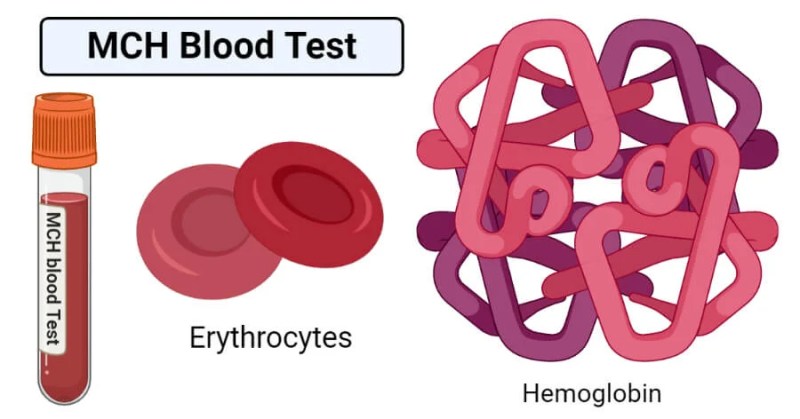
When a blood test report lists what is MCH in blood test, it’s not just another row of numbers—it’s a window into the microscopic world of your red blood cells (RBCs). Mean Corpuscular Hemoglobin (MCH) measures the average amount of hemoglobin packed into each RBC, a value that can whisper warnings about nutrient deficiencies, chronic diseases, or even genetic disorders long before symptoms appear. Unlike other lab markers that focus on cell size or count, MCH zeroes in on the content of these cells, making it a silent sentinel of metabolic and hematologic health.
The significance of what is MCH in blood test often goes unnoticed by patients, yet it’s a cornerstone of the Complete Blood Count (CBC), a test performed millions of times daily. A single abnormal MCH value can unravel puzzles of fatigue, pallor, or unexplained weakness, guiding clinicians toward conditions like iron-deficiency anemia, thalassemia, or even lead poisoning. What’s more, MCH isn’t just a reactive measure—it’s a proactive tool, helping doctors monitor treatment efficacy in patients undergoing chemotherapy or those with inherited blood disorders.
Yet for all its importance, the concept remains shrouded in ambiguity for many. Patients may glance at their MCH levels without understanding why it’s elevated or depressed, or how it interacts with other blood parameters like MCV (Mean Corpuscular Volume) or MCHC (Mean Corpuscular Hemoglobin Concentration). This gap in awareness isn’t just academic; misinterpretation can lead to delayed diagnoses or unnecessary interventions. Below, we dissect the science, clinical relevance, and real-world implications of what is MCH in blood test, ensuring clarity for both patients and those seeking deeper medical insight.
The Complete Overview of What Is MCH in Blood Test
Mean Corpuscular Hemoglobin (MCH) is a calculated value derived from a Complete Blood Count (CBC), representing the average mass of hemoglobin within a single red blood cell. Unlike direct measurements like hemoglobin concentration (Hb) or hematocrit (Hct), MCH is an indirect metric, computed using the formula:MCH = (Hemoglobin [g/dL] × 10) ÷ Red Blood Cell Count [millions/µL] The result is expressed in picograms (pg) per cell, with normal reference ranges typically falling between 27–31 pg for adults, though these can vary slightly by lab and demographic factors. When clinicians interpret what is MCH in blood test, they’re assessing whether RBCs are carrying their expected hemoglobin load—a deficit suggests underproduction or poor iron utilization, while an excess may point to rare conditions like hereditary spherocytosis or artifactual errors.
The clinical utility of MCH lies in its ability to classify anemias beyond just red blood cell size (MCV). For instance, a low MCH in the context of a low MCV (microcytic anemia) strongly suggests iron deficiency or thalassemia, whereas a normal MCH with a high MCV (macrocytic anemia) might indicate vitamin B12 or folate deficiency. This distinction is critical: treating a microcytic anemia with B12 supplements would be ineffective, whereas iron therapy could be life-altering. Thus, what is MCH in blood test isn’t just a number—it’s a diagnostic compass, directing treatment toward the root cause rather than symptoms.
Historical Background and Evolution
The concept of MCH emerged from the early 20th century as hematologists sought to quantify the invisible components of blood. Before electronic cell counters, manual methods like the hemoglobinometer and hemocytometer required laborious calculations to estimate RBC characteristics. The introduction of automated CBC analyzers in the 1960s revolutionized this process, allowing MCH to be derived instantaneously alongside MCV and MCHC. This shift didn’t just improve efficiency; it transformed anemia classification from a subjective art into an evidence-based science.The evolution of what is MCH in blood test reflects broader advancements in medical technology. Early studies on hemoglobin synthesis in the 1940s–50s laid the groundwork for understanding how iron, globin chains, and heme production influence MCH levels. Today, MCH is part of a sophisticated diagnostic algorithm, integrated with genetic testing (e.g., for thalassemias) and advanced imaging (e.g., bone marrow biopsies). Its role has expanded beyond anemia to include monitoring chronic diseases like diabetes, where subtle MCH changes may signal microvascular complications. This progression underscores a simple truth: what once seemed like a static lab value is now a dynamic biomarker, shaped by decades of scientific inquiry.
Core Mechanisms: How It Works
At its core, MCH reflects the balance between hemoglobin production and RBC maturation. Hemoglobin, the oxygen-carrying protein, is synthesized in the bone marrow from iron, amino acids, and vitamin B6. When iron is scarce—due to dietary deficiency, malabsorption, or blood loss—the marrow compensates by producing smaller, hypochromic (pale) RBCs, leading to a low MCH. Conversely, conditions that disrupt globin chain synthesis (e.g., thalassemia) or impair heme formation (e.g., lead toxicity) can also lower MCH, even if iron stores are intact. This interplay explains why what is MCH in blood test often correlates with other nutritional markers like ferritin or transferrin saturation.Table of Contents
- The Complete Overview of What Is MCH in Blood Test
- Historical Background and Evolution
- Core Mechanisms: How It Works
- Key Benefits and Crucial Impact
- Major Advantages
- Comparative Analysis
- Future Trends and Innovations
- Conclusion
- Comprehensive FAQs
- Q: What does a high MCH mean in a blood test?
- Q: Can MCH be normal even if I have anemia?
- Q: How does iron deficiency affect MCH levels?
- Q: Is MCH the same as hemoglobin?
- Q: Why does my MCH fluctuate even if I’m healthy?
- Q: Can MCH be used to diagnose thalassemia?
- Q: How often should I check my MCH if I have a chronic condition?
The calculation of MCH is deceptively simple, yet it masks complex physiological feedback loops. For example, erythropoietin (EPO), a hormone released by the kidneys in response to low oxygen, stimulates RBC production. If EPO drives rapid RBC turnover but hemoglobin synthesis lags (as in chronic kidney disease), MCH may appear artificially elevated—a phenomenon known as stress erythropoiesis. Similarly, reticulocytes (immature RBCs) released prematurely in response to anemia can have higher MCH values, creating a transient spike. These nuances highlight why MCH must be interpreted in the context of the entire CBC, not in isolation.
Key Benefits and Crucial Impact
The clinical value of what is MCH in blood test lies in its ability to bridge the gap between symptoms and underlying pathology. Unlike subjective complaints of fatigue or dizziness, MCH provides an objective measure of RBC function, enabling early intervention in conditions that might otherwise progress silently. For patients with chronic illnesses, such as inflammatory bowel disease or cancer, monitoring MCH can reveal nutrient deficiencies before they become critical, allowing for targeted supplementation or dietary adjustments. In resource-limited settings, where advanced diagnostic tools are scarce, MCH remains a cost-effective screening tool for anemia, guiding public health strategies.Beyond individual patient care, what is MCH in blood test plays a pivotal role in population health. Large-scale studies have linked low MCH to increased risks of cardiovascular disease, cognitive decline in the elderly, and adverse pregnancy outcomes. These associations stem from hemoglobin’s dual role in oxygen transport and vascular integrity; compromised RBC function can lead to endothelial dysfunction and oxidative stress. Recognizing this broader impact underscores MCH’s position not just as a lab curiosity, but as a public health metric with far-reaching implications.
> "Anemia is the most common nutritional disorder worldwide, and MCH is often its first visible sign—a silent alarm that, if heeded, can prevent a cascade of systemic consequences." — World Health Organization (WHO) Hematology Guidelines, 2023
Major Advantages
- Early Detection of Nutritional Deficiencies: MCH is a sensitive marker for iron, vitamin B6, and copper deficiencies, often flagging issues years before clinical symptoms like glossitis or koilonychia (spoon-shaped nails) appear.
- Anemia Classification: By pairing MCH with MCV, clinicians can distinguish between microcytic (iron deficiency, thalassemia), normocytic (chronic disease), and macrocytic (B12/folate deficiency) anemias, tailoring treatments accordingly.
- Monitoring Treatment Efficacy: In patients undergoing iron therapy or erythropoiesis-stimulating agents (ESAs), serial MCH measurements track whether interventions are restoring hemoglobin synthesis to normal ranges.
- Screening for Genetic Disorders: Low MCH with normal iron studies may suggest thalassemia or sideroblastic anemia, prompting genetic testing or bone marrow evaluation.
- Cost-Effective Diagnostic Tool: As part of a CBC, MCH adds minimal cost while providing high diagnostic yield, making it ideal for primary care and global health initiatives.

Comparative Analysis
| Parameter | Key Differences |
|---|---|
| MCH (Mean Corpuscular Hemoglobin) | Measures average hemoglobin per RBC (pg/cell). Low MCH = hypochromic RBCs; high MCH = rare (e.g., spherocytosis, artifact). |
| MCV (Mean Corpuscular Volume) | Measures average RBC size (fL). Low MCV = microcytic; high MCV = macrocytic. Often paired with MCH for anemia classification. |
| MCHC (Mean Corpuscular Hemoglobin Concentration) | Measures hemoglobin concentration within RBCs (g/dL). Reflects packing density; low MCHC = true hypochromia (e.g., iron deficiency). |
| RDW (Red Cell Distribution Width) | Measures variability in RBC size. High RDW suggests mixed populations (e.g., iron deficiency + B12 deficiency). |
Future Trends and Innovations
The future of what is MCH in blood test is being reshaped by precision medicine and AI-driven diagnostics. Emerging technologies, such as single-cell hematology, are enabling researchers to analyze MCH at the individual RBC level, identifying subpopulations with distinct metabolic profiles. For example, a subset of RBCs with unusually low MCH might indicate early-stage iron deficiency in patients who otherwise appear normal. Machine learning algorithms are also being trained to predict MCH trajectories in chronic diseases, such as diabetes or CKD, by integrating data from wearables and genetic panels.Another frontier is point-of-care testing, where portable devices could provide MCH readings in minutes, revolutionizing care in remote or low-resource settings. Companies are developing smart CBC analyzers that not only calculate MCH but also flag potential causes (e.g., "Low MCH + Low Ferritin = Likely Iron Deficiency"). As our understanding of RBC heterogeneity grows, MCH may evolve from a static lab value to a dynamic biomarker, used to personalize treatments based on real-time cellular data. The next decade could see MCH integrated into digital health platforms, where patients receive alerts for subtle shifts—long before symptoms arise.

Conclusion
What is MCH in blood test is more than a line item on a lab report; it’s a window into the body’s hidden machinery, revealing how well your red blood cells are performing their vital role. From uncovering nutrient deficiencies to guiding treatments for genetic disorders, MCH’s clinical relevance is undeniable. Yet its power lies in context—paired with MCV, MCHC, and other markers, it forms a diagnostic puzzle that, when solved, can transform patient outcomes. For individuals monitoring their health, understanding MCH empowers proactive care, while for clinicians, it remains an indispensable tool in the fight against anemia and its far-reaching consequences.As medical science advances, the role of MCH will only grow, bridging the gap between laboratory data and real-world health. Whether through AI-enhanced diagnostics or single-cell analysis, the future of what is MCH in blood test promises deeper insights, earlier interventions, and a clearer path to wellness. For now, recognizing its significance is the first step toward harnessing its full potential.
Comprehensive FAQs
Q: What does a high MCH mean in a blood test?
A high MCH (above 31–32 pg) is rare and typically indicates one of three scenarios:
1. Artifactual elevation (e.g., cold agglutinins, lipid interference in lab tests).
2. Hereditary spherocytosis, where RBCs lose membrane surface area, concentrating hemoglobin.
3. Macrocytic anemias (e.g., vitamin B12/folate deficiency), though these usually present with normal or low MCH unless reticulocytosis is present.
Isolated high MCH without other abnormalities often warrants repeat testing to rule out lab errors.
Q: Can MCH be normal even if I have anemia?
Yes. Normocytic anemias (e.g., chronic kidney disease, aplastic anemia) often show normal MCH because RBCs are produced normally but destroyed prematurely. In these cases, the anemia is due to reduced RBC count or lifespan, not hemoglobin content. Always correlate MCH with MCV, RDW, and clinical context.
Q: How does iron deficiency affect MCH levels?
Iron deficiency is the most common cause of low MCH (below 27 pg). Without sufficient iron, the bone marrow cannot synthesize enough hemoglobin, leading to microcytic, hypochromic RBCs. Early-stage deficiency may show normal MCH but low ferritin; as severity increases, MCH drops alongside hemoglobin and hematocrit. Treatment with iron supplements typically restores MCH within 2–3 months.
Q: Is MCH the same as hemoglobin?
No. Hemoglobin (Hb) measures the total amount of hemoglobin in a blood sample (g/dL), while MCH measures the average per RBC (pg/cell). A low hemoglobin could reflect anemia due to low RBC count, small RBCs (low MCH), or a mix of both. For example, someone with 10 million RBCs and 10 g/dL hemoglobin would have an MCH of 10 pg—severely low—but if they had 15 million RBCs with 10 g/dL, MCH would be 6.67 pg, indicating microcytosis.
Q: Why does my MCH fluctuate even if I’m healthy?
MCH can vary slightly due to:
Q: Can MCH be used to diagnose thalassemia?
MCH is a screening tool for thalassemia but not definitive. Low MCH with microcytosis (MCV < 80 fL) and normal iron studies suggests thalassemia trait. However, confirmation requires:
Q: How often should I check my MCH if I have a chronic condition?
Frequency depends on the condition:
Leave a Comment
Comments are moderated before appearing. The data you submit is processed according to the Privacy Policy of Sac.