Understanding what is lab test mch: The Hidden Marker in Your Blood Work

When a patient’s blood work arrives with an "MCH" value, most medical professionals don’t pause to explain its significance to the patient—yet this three-letter abbreviation holds vital clues about red blood cell function. The lab test mch (mean corpuscular hemoglobin) is one of the most overlooked yet diagnostically powerful metrics in hematology, often buried in complete blood count (CBC) reports alongside its siblings MCV and MCHC. Its ability to distinguish between different types of anemia—whether microcytic, normocytic, or macrocytic—can change treatment approaches entirely. Without proper interpretation, even experienced clinicians might miss subtle abnormalities that could indicate underlying deficiencies or chronic diseases.
The what is lab test mch question isn’t just academic; it’s practical. For someone managing iron deficiency, thalassemia, or even vitamin B12 deficiency, MCH values can confirm whether their red blood cells are carrying enough hemoglobin to function optimally. A single abnormal result might prompt further testing for conditions like sideroblastic anemia or chronic liver disease. Yet, despite its importance, many patients never receive a clear explanation of why their MCH levels matter—or how to interpret them alongside other blood indices. This gap in communication leaves critical health decisions in the hands of specialists, while patients remain in the dark about their own physiology.
What makes the mch blood test particularly fascinating is its dual role as both a diagnostic tool and a window into cellular biology. Unlike standalone tests like hemoglobin or hematocrit, MCH provides a ratio—calculated by dividing total hemoglobin by the red blood cell count—offering a normalized view of hemoglobin distribution within each cell. This precision is why hematologists rely on it to classify anemias with surgical accuracy. But its utility doesn’t stop there: in research, MCH variations are studied for their links to oxidative stress, inflammation, and even cardiovascular risk. Understanding this test isn’t just about passing a lab order; it’s about grasping how your body’s microscopic machinery keeps you alive.
The Complete Overview of what is lab test mch
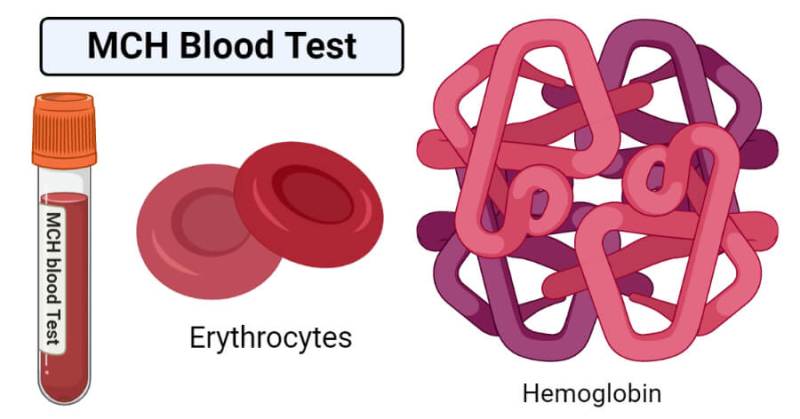
The lab test mch stands as a cornerstone of hematological assessment, yet its full potential is often underutilized outside specialized clinics. At its core, MCH (mean corpuscular hemoglobin) quantifies the average amount of hemoglobin contained within a single red blood cell (RBC), expressed in picograms (pg). This measurement is derived from two foundational lab values: total hemoglobin (Hb) and red blood cell count (RBC). The formula—MCH = (Total Hb ÷ RBC count) × 10—transforms these raw numbers into a clinically actionable ratio. For instance, if a patient’s total hemoglobin is 14 g/dL and their RBC count is 5 million cells/µL, the MCH would be 28 pg, indicating a normocytic profile.What distinguishes MCH from other blood indices is its relative nature. While hemoglobin measures overall oxygen-carrying capacity, MCH isolates the per-cell efficiency of hemoglobin loading. This distinction is critical in differentiating anemias: a low MCH (microcytic anemia) suggests iron deficiency or thalassemia, whereas a high MCH (macrocytic anemia) may point to vitamin B12 or folate deficiency. Clinicians often pair MCH with MCV (mean corpuscular volume) and MCHC (mean corpuscular hemoglobin concentration) to create a triad that paints a precise picture of RBC pathology. Without this trio, diagnostic accuracy plummets, leading to misdiagnoses or delayed interventions.
Historical Background and Evolution
The concept of what is lab test mch emerged from the late 19th century’s foundational work in hematology, when scientists like Ernst Ludwig Ziegler and later William Henry Welch began dissecting blood’s cellular components. Early methods relied on manual microscopy, where pathologists would estimate hemoglobin content by comparing stained blood smears to standardized color charts—a process fraught with subjectivity. The breakthrough came in the 1950s with the advent of automated cell counters, which could calculate MCH programmatically by integrating hemoglobin measurements with RBC counts. This shift from qualitative to quantitative analysis revolutionized anemia classification, allowing for the first time a numerical framework to distinguish between microcytic (low MCH) and macrocytic (high MCH) conditions.Today, the mch blood test is a staple of the complete blood count (CBC), a panel so routine that its significance is often taken for granted. However, its evolution reflects broader advancements in medical technology: from the early 20th century’s hematocrit tubes to modern laser-based flow cytometers, each iteration has refined MCH’s precision. The World Health Organization (WHO) now uses MCH thresholds (e.g., <27 pg for microcytic anemia) as part of global health guidelines for diagnosing nutritional deficiencies. Yet, despite its ubiquity, many patients remain unaware of how this single value can unravel complex health puzzles—from iron metabolism disorders to chronic diseases like diabetes or hypothyroidism.
Core Mechanisms: How It Works
The lab test mch operates on a deceptively simple principle: it normalizes hemoglobin distribution across all red blood cells, accounting for variations in cell size and number. When a blood sample is processed, the automated analyzer first measures total hemoglobin (Hb) in grams per deciliter (g/dL) and the RBC count in millions per microliter (million/µL). The MCH calculation then adjusts these values to reflect hemoglobin per cell, converting the result into picograms (pg) for consistency. For example, a healthy adult’s MCH typically ranges between 27–31 pg, reflecting optimal hemoglobin loading in normocytic RBCs.Table of Contents
- The Complete Overview of what is lab test mch
- Historical Background and Evolution
- Core Mechanisms: How It Works
- Key Benefits and Crucial Impact
- Major Advantages
- Comparative Analysis
- Future Trends and Innovations
- Conclusion
- Comprehensive FAQs
- Q: What does a high MCH value mean, and what conditions is it associated with?
- Q: Can MCH be used to diagnose iron deficiency alone, or does it need to be combined with other tests?
- Q: How often should someone monitor their MCH levels if they have a chronic condition like anemia?
- Q: Is there a difference between MCH and MCHC? How do they complement each other?
- Q: Can lifestyle factors like diet or exercise affect MCH levels?
- Q: What should I do if my MCH result is abnormal but I feel fine?
- Q: Are there any medications that can artificially alter MCH levels?
- Q: How accurate are home or point-of-care MCH tests compared to lab tests?
- Q: Can MCH levels change rapidly, or do they reflect long-term health trends?
What underpins this measurement is the delicate balance of erythropoiesis—the process by which the bone marrow produces red blood cells. Iron, vitamin B12, and folate are the primary nutrients regulating hemoglobin synthesis. Deficiencies in these nutrients directly alter MCH: iron deficiency leads to hypochromic (pale) RBCs with low MCH, while B12/folate deficiencies cause macrocytic RBCs with elevated MCH. The test’s sensitivity to these imbalances makes it indispensable in monitoring treatment responses, such as tracking whether an iron supplement is restoring hemoglobin levels in a patient with chronic kidney disease.
Key Benefits and Crucial Impact
The what is lab test mch question reveals a diagnostic tool that bridges basic hematology and advanced clinical decision-making. In primary care, MCH is often the first red flag for nutritional deficiencies, prompting further tests like serum ferritin or vitamin B12 levels. For specialists, it serves as a triage mechanism: a low MCH in a patient with fatigue and pallor may warrant immediate iron therapy, while a high MCH could indicate a need for hematology referral. Its role in anemia classification is particularly transformative, as it allows clinicians to bypass guesswork and target therapies with precision.Beyond diagnostics, MCH’s impact extends to public health. Global initiatives like the WHO’s anemia control programs rely on MCH thresholds to assess population-level iron status, guiding policies on fortification programs or supplementation campaigns. In resource-limited settings, a single MCH value can determine whether a community requires mass iron distribution or targeted interventions for women and children. Even in high-income countries, MCH trends are monitored in epidemiological studies to track the prevalence of hidden deficiencies, such as those linked to dietary changes or chronic illnesses.
"The MCH value is not just a number—it’s a narrative of your body’s ability to transport oxygen, reflect your nutritional state, and signal when something is amiss before symptoms even appear." — Dr. Emily Carter, Hematologist, Johns Hopkins Medicine
Major Advantages
- Early Detection of Anemia Types: MCH distinguishes between microcytic (iron deficiency, thalassemia), normocytic (chronic disease), and macrocytic (B12/folate deficiency) anemias, guiding targeted treatments.
- Non-Invasive Nutritional Screening: Acts as a first-line indicator of iron, vitamin B12, or folate deficiencies without requiring additional blood draws.
- Treatment Monitoring: Tracks response to therapies (e.g., iron supplements, B12 injections) by showing whether MCH normalizes over time.
- Cost-Effective Diagnostic Tool: Included in standard CBC panels, reducing the need for expensive specialty tests in many cases.
- Population Health Insights: Used in large-scale studies to assess nutritional status and design public health interventions.

Comparative Analysis
| Parameter | MCH (Mean Corpuscular Hemoglobin) | MCV (Mean Corpuscular Volume) | MCHC (Mean Corpuscular Hemoglobin Concentration) |
|---|---|---|---|
| Definition | Average hemoglobin per RBC (pg) | Average size of RBCs (fL) | Concentration of hemoglobin within RBCs (g/dL) |
| Normal Range (Adults) | 27–31 pg | 80–100 fL | 32–36 g/dL |
| Low Values Indicate | Microcytic anemia (iron deficiency, thalassemia) | Microcytic anemia or chronic disease | Hypochromic RBCs (rare; often due to lab error) |
| High Values Indicate | Macrocytic anemia (B12/folate deficiency, liver disease) | Macrocytic anemia or reticulocytosis | Spherocytosis or artifactual elevation |
Future Trends and Innovations
As laboratory technology advances, the lab test mch is poised to evolve beyond its current role. Emerging point-of-care devices are shrinking CBC panels into portable, near-patient testing formats, making MCH analysis accessible in remote or low-resource settings. Artificial intelligence is also being integrated into lab software to flag abnormal MCH patterns before they’re reviewed by a technician, potentially reducing diagnostic delays. Additionally, research into MCH’s association with oxidative stress and inflammation may expand its use in monitoring chronic diseases like diabetes or heart failure, where subtle hemoglobin imbalances predict complications.Another frontier lies in personalized medicine. Future iterations of the what is lab test mch could incorporate genetic markers to predict an individual’s susceptibility to anemia based on their MCH profile. For example, patients with inherited thalassemia might have their MCH trends monitored via wearable biosensors, allowing for proactive interventions. Meanwhile, global health initiatives are exploring MCH as a biomarker for climate-related malnutrition, particularly in regions where dietary shifts due to climate change are altering micronutrient availability.
Conclusion
The mch blood test is more than a line item on a lab report—it’s a silent sentinel of your body’s metabolic health. From identifying iron deficiency in a tired office worker to uncovering vitamin B12 deficiency in an elderly patient with neuropathy, its ability to classify anemias with precision is unmatched. Yet, its true power lies in its simplicity: a single value that can alter treatment pathways, prevent complications, and even save lives. For patients, understanding what is lab test mch empowers them to ask the right questions when their results arrive, ensuring they’re not just passive recipients of medical data but active participants in their care.As hematology continues to advance, the MCH’s role will only grow in complexity and importance. Whether through AI-driven diagnostics, wearable health tech, or global nutrition programs, this humble lab value remains a testament to how even the smallest measurements can reveal the largest stories about human health.
Comprehensive FAQs
Q: What does a high MCH value mean, and what conditions is it associated with?
A high MCH (macrocytic anemia) typically indicates that red blood cells are larger than normal and contain more hemoglobin than usual. This is most commonly linked to deficiencies in vitamin B12 or folate, conditions like liver disease, or alcohol-related anemia. Rarely, it may also appear in patients with hypothyroidism or certain bone marrow disorders. If your MCH is elevated, further testing (such as serum B12, folate, or liver function tests) is usually recommended to pinpoint the underlying cause.
Q: Can MCH be used to diagnose iron deficiency alone, or does it need to be combined with other tests?
While a low MCH is a strong indicator of microcytic anemia—often due to iron deficiency—it is not definitive on its own. Iron deficiency can also be masked by other conditions (e.g., thalassemia or chronic inflammation). For accurate diagnosis, MCH is typically paired with ferritin levels (the best marker for iron stores), TIBC (total iron-binding capacity), and sometimes hemoglobin electrophoresis to rule out thalassemia. A standalone low MCH may prompt additional testing to confirm the root cause.
Q: How often should someone monitor their MCH levels if they have a chronic condition like anemia?
Monitoring frequency depends on the condition and treatment plan. For example, patients with iron deficiency anemia undergoing supplementation may have their MCH (and other CBC values) checked every 1–3 months to assess response. Those with vitamin B12 deficiency on injections might require MCH monitoring every 3–6 months, while stable chronic conditions (like mild thalassemia) may only need annual reviews. Always follow your healthcare provider’s specific recommendations, as adjustments may be needed based on symptoms or treatment adjustments.
Q: Is there a difference between MCH and MCHC? How do they complement each other?
Yes, they measure different aspects of red blood cell physiology. MCH (mean corpuscular hemoglobin) reflects the total amount of hemoglobin per cell, while MCHC (mean corpuscular hemoglobin concentration) measures the density of hemoglobin within that cell. Together, they provide a fuller picture: a low MCH with a normal MCHC suggests fewer but normally concentrated hemoglobin molecules (common in iron deficiency), whereas a low MCH and MCHC may indicate severe hypochromia (rare and often due to lab errors). Clinicians use both to distinguish between conditions like thalassemia (low MCH, normal MCHC) and sideroblastic anemia (low MCH, high MCHC).
Q: Can lifestyle factors like diet or exercise affect MCH levels?
Indirectly, yes. Dietary deficiencies in iron, vitamin B12, or folate are the most direct lifestyle influences on MCH, as these nutrients are essential for hemoglobin synthesis. For example, a vegan diet low in B12 can lead to elevated MCH over time. Chronic alcohol use also disrupts erythropoiesis, often causing macrocytosis (high MCH). Conversely, intense endurance exercise may temporarily lower MCH due to increased RBC destruction, but this is usually reversible. While exercise alone won’t drastically alter MCH, it can interact with underlying deficiencies—e.g., an athlete with undiagnosed iron deficiency may experience exaggerated drops in MCH during training. Regular, balanced nutrition and hydration support optimal MCH stability.
Q: What should I do if my MCH result is abnormal but I feel fine?
An abnormal MCH doesn’t always mean you’re symptomatic, especially in early stages of deficiencies. If your MCH is outside the normal range (e.g., <27 pg or >31 pg) but you have no fatigue, shortness of breath, or other red flags, your provider may recommend repeat testing to confirm the result (lab errors can occur) or additional blood work (ferritin, B12, folate, etc.). Some conditions, like mild thalassemia or early-stage vitamin deficiencies, may not cause symptoms until they progress. Follow up as advised, but don’t dismiss the result—early intervention can prevent complications like heart strain or neurological damage in B12 deficiency.
Q: Are there any medications that can artificially alter MCH levels?
Yes, several medications can influence MCH, either by affecting hemoglobin synthesis or RBC production. Chemotherapy drugs (e.g., methotrexate) often cause macrocytosis (high MCH) due to bone marrow suppression. Antiretrovirals (e.g., zidovudine) and anticonvulsants (e.g., phenytoin) may also elevate MCH. Conversely, iron supplements can normalize a low MCH over time, while alcohol (even in moderation) can independently raise MCH. Always inform your doctor about all medications and supplements, as they may interact with your MCH results or underlying conditions.
Q: How accurate are home or point-of-care MCH tests compared to lab tests?
Most point-of-care or home blood tests (e.g., finger-prick devices) measure hemoglobin and hematocrit but do not provide MCH calculations directly. They may estimate RBC indices indirectly, but these results are less precise than lab-based CBCs, which use advanced analyzers calibrated to strict standards. For diagnostic purposes, especially in conditions like anemia, lab-drawn MCH values are considered the gold standard. However, portable devices can be useful for monitoring known conditions (e.g., tracking B12 deficiency response) when used in conjunction with professional guidance.
Q: Can MCH levels change rapidly, or do they reflect long-term health trends?
MCH levels can change relatively quickly in response to acute deficiencies or treatments. For example, iron supplementation may show improvements in MCH within 4–8 weeks, while B12 injections can normalize elevated MCH in 1–3 months. Conversely, chronic conditions (like liver disease or long-standing malnutrition) may cause gradual MCH shifts over years. Acute blood loss or hemolysis can also lead to temporary MCH fluctuations. While not as volatile as glucose levels, MCH is dynamic enough to reflect both short-term interventions and long-term health trends.
Leave a Comment
Comments are moderated before appearing. The data you submit is processed according to the Privacy Policy of Sac.