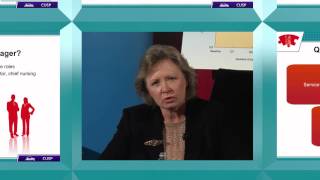
Reference Summary: Sharing the results of a successful patient safety project, such as reducing adverse drug events, among other hospital units can ... Patients and families who are given the chance to be involved in their care have a better understanding of how to take care of ...

Cusp Ideal Discharge -

Sharing the results of a successful patient safety project, such as reducing adverse drug events, among other hospital units can ... Patients and families who are given the chance to be involved in their care have a better understanding of how to take care of ... Explaining the hospital experience from the patient's point of view identifies issues that clinical teams may not have considered.

Important details found

  • Sharing the results of a successful patient safety project, such as reducing adverse drug events, among other hospital units can ...
  • Patients and families who are given the chance to be involved in their care have a better understanding of how to take care of ...
  • Explaining the hospital experience from the patient's point of view identifies issues that clinical teams may not have considered.
  • Identifying the factors that contributed to poor patient safety practices helps staff decide how to address them.
  • A veteran nurse from a small rural hospital explains how the Comprehensive Unit-based Safety Program (

Why this topic is useful

A structured page helps reduce disconnected snippets by grouping the main subject with context, examples, and nearby entries.

Sponsored

Frequently Asked Questions

Is the information always complete?

Not always. Some topics may need verification from official or primary sources.

How should readers use this information?

Use it as a starting point, then open related pages for more specific details.

What should readers check next?

Readers should check related pages, official references, or updated sources when details matter.

Related Images

CUSP: IDEAL Discharge
CUSP Video 4 – Independent Checks
CUSP: Create Independent Checks
Providing the IDEAL Discharge
CUSP: Patient and Family Engagement
CUSP Video 1 – Introduction to CUSP
CUSP: Identifying Contributing Factors
CUSP: Factors that Affect Spread
CUSP: Characteristics of an Engaged Advisor
Nurse Discusses the Power of CUSP to Make Care Safer
Sponsored
View Full Details
CUSP: IDEAL Discharge

CUSP: IDEAL Discharge

Read more details and related context about CUSP: IDEAL Discharge.

CUSP Video 4 – Independent Checks

CUSP Video 4 – Independent Checks

Read more details and related context about CUSP Video 4 – Independent Checks.

CUSP: Create Independent Checks

CUSP: Create Independent Checks

Creating independent checks and reminders are essential for patient safety. See how this

Providing the IDEAL Discharge

Providing the IDEAL Discharge

This short video demonstrates both the 'Teach Back' method and the '

CUSP: Patient and Family Engagement

CUSP: Patient and Family Engagement

Patients and families who are given the chance to be involved in their care have a better understanding of how to take care of ...

CUSP Video 1 – Introduction to CUSP

CUSP Video 1 – Introduction to CUSP

Read more details and related context about CUSP Video 1 – Introduction to CUSP.

CUSP: Identifying Contributing Factors

CUSP: Identifying Contributing Factors

Identifying the factors that contributed to poor patient safety practices helps staff decide how to address them. See how this

CUSP: Factors that Affect Spread

CUSP: Factors that Affect Spread

Sharing the results of a successful patient safety project, such as reducing adverse drug events, among other hospital units can ...

CUSP: Characteristics of an Engaged Advisor

CUSP: Characteristics of an Engaged Advisor

Explaining the hospital experience from the patient's point of view identifies issues that clinical teams may not have considered.

Nurse Discusses the Power of CUSP to Make Care Safer

Nurse Discusses the Power of CUSP to Make Care Safer

A veteran nurse from a small rural hospital explains how the Comprehensive Unit-based Safety Program (