Quick Context: Ever wondered how you can log in to apps like Google, Facebook, or Twitter without sharing your password? We use APIs rather than raw databases so we can control who gets to see what data when and where.
Exploring Oauth 2 0 Must Know Flows Explained -
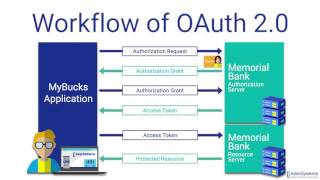
Ever wondered how you can log in to apps like Google, Facebook, or Twitter without sharing your password? We use APIs rather than raw databases so we can control who gets to see what data when and where. Here's a short scenario to help visualize the attack that sparked the need for PKCE.
Important details found
- Ever wondered how you can log in to apps like Google, Facebook, or Twitter without sharing your password?
- We use APIs rather than raw databases so we can control who gets to see what data when and where.
- Here's a short scenario to help visualize the attack that sparked the need for PKCE.
- Get a Free System Design PDF with 158 pages by subscribing to our weekly newsletter:
Why this topic is useful
This format is designed to help readers move from a broad question into more specific pages without losing context.
Sponsored
Frequently Asked Questions
What is this page about?
This page summarizes Exploring Oauth 2 0 Must Know Flows Explained and connects it with related entries, references, and supporting context.
Is the information always complete?
Not always. Some topics may need verification from official or primary sources.
How should readers use this information?
Use it as a starting point, then open related pages for more specific details.
Image References





Sponsored