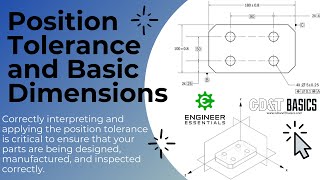
Short Overview: Correctly interpreting and applying the position tolerance is critical to ensure that your parts are being designed, manufactured, ... In this video, Jason walks through the submitted drawing and a second example to explain how basic

Gd T Tip No Need For Those Half Dimensions -

Correctly interpreting and applying the position tolerance is critical to ensure that your parts are being designed, manufactured, ... In this video, Jason walks through the submitted drawing and a second example to explain how basic

Important details found

  • Correctly interpreting and applying the position tolerance is critical to ensure that your parts are being designed, manufactured, ...
  • In this video, Jason walks through the submitted drawing and a second example to explain how basic

Why this topic is useful

A structured page helps reduce disconnected snippets by grouping the main subject with context, examples, and nearby entries.

Sponsored

Frequently Asked Questions

Is the information always complete?

Not always. Some topics may need verification from official or primary sources.

How should readers use this information?

Use it as a starting point, then open related pages for more specific details.

What should readers check next?

Readers should check related pages, official references, or updated sources when details matter.

Visual References

GD&T Tip - No Need For Those "Half" Dimensions
GD&T Tip -  Do Not Mix Basic and Toleranced Dimensions
When Should I Use Basic Dimensions
GD&T Tip -  Stop Using Datum Shift as a Bonus!
GD&T Tip - Plus/Minus Tolerances Just Don't Fly!
GD&T: Position Tolerance Without Basic Dimensions?
Design with GD&T not Simply Dimension Parts with GD&T
Why GD&T Most powerful than Traditional Tolerance
Position Tolerances and Basic Dimensions
How to Apply GD&T Position Tolerance to a Hole
Sponsored
View Full Details
GD&T Tip - No Need For Those "Half" Dimensions

GD&T Tip - No Need For Those "Half" Dimensions

Read more details and related context about GD&T Tip - No Need For Those "Half" Dimensions.

GD&T Tip -  Do Not Mix Basic and Toleranced Dimensions

GD&T Tip - Do Not Mix Basic and Toleranced Dimensions

Read more details and related context about GD&T Tip - Do Not Mix Basic and Toleranced Dimensions.

When Should I Use Basic Dimensions

When Should I Use Basic Dimensions

In this video, Jason walks through the submitted drawing and a second example to explain how basic

GD&T Tip -  Stop Using Datum Shift as a Bonus!

GD&T Tip - Stop Using Datum Shift as a Bonus!

Read more details and related context about GD&T Tip - Stop Using Datum Shift as a Bonus!.

GD&T Tip - Plus/Minus Tolerances Just Don't Fly!

GD&T Tip - Plus/Minus Tolerances Just Don't Fly!

Read more details and related context about GD&T Tip - Plus/Minus Tolerances Just Don't Fly!.

GD&T: Position Tolerance Without Basic Dimensions?

GD&T: Position Tolerance Without Basic Dimensions?

Read more details and related context about GD&T: Position Tolerance Without Basic Dimensions?.

Design with GD&T not Simply Dimension Parts with GD&T

Design with GD&T not Simply Dimension Parts with GD&T

Read more details and related context about Design with GD&T not Simply Dimension Parts with GD&T.

Why GD&T Most powerful than Traditional Tolerance

Why GD&T Most powerful than Traditional Tolerance

Read more details and related context about Why GD&T Most powerful than Traditional Tolerance.

Position Tolerances and Basic Dimensions

Position Tolerances and Basic Dimensions

Correctly interpreting and applying the position tolerance is critical to ensure that your parts are being designed, manufactured, ...

How to Apply GD&T Position Tolerance to a Hole

How to Apply GD&T Position Tolerance to a Hole

Read more details and related context about How to Apply GD&T Position Tolerance to a Hole.