Page Summary: Use this guide to review Getting Help Psychotherapy Crash Course Psychology 35 through a clearer structure, including context, details, related topics, and practical notes.

Getting Help Psychotherapy Crash Course Psychology 35 -

Heart Health Considerations for this topic.

Why this topic is useful

This format is designed to help readers move from a broad question into more specific pages without losing context.

Sponsored

Frequently Asked Questions

What is this page about?

This page summarizes Getting Help Psychotherapy Crash Course Psychology 35 and connects it with related entries, references, and supporting context.

Is the information always complete?

Not always. Some topics may need verification from official or primary sources.

How should readers use this information?

Use it as a starting point, then open related pages for more specific details.

Visual References

Getting Help - Psychotherapy: Crash Course Psychology #35
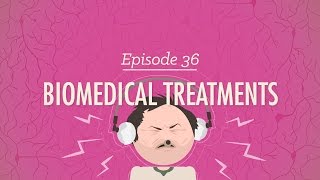
Biomedical Treatments: Crash Course Psychology #36
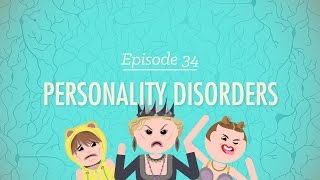
Personality Disorders: Crash Course Psychology #34
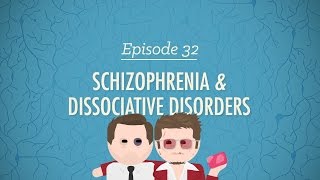
Schizophrenia and Dissociative Disorders: Crash Course Psychology #32
Sponsored
View Full Details
Getting Help - Psychotherapy: Crash Course Psychology #35

Getting Help - Psychotherapy: Crash Course Psychology #35

Read more details and related context about Getting Help - Psychotherapy: Crash Course Psychology #35.

Biomedical Treatments: Crash Course Psychology #36

Biomedical Treatments: Crash Course Psychology #36

Do you know how Prozac works? Or lithium? Did you know that electroshock

Personality Disorders: Crash Course Psychology #34

Personality Disorders: Crash Course Psychology #34

What exactly are Personality Disorders? How can they be diagnosed? Can we prevent some of them? In this episode of

Schizophrenia and Dissociative Disorders: Crash Course Psychology #32

Schizophrenia and Dissociative Disorders: Crash Course Psychology #32

Read more details and related context about Schizophrenia and Dissociative Disorders: Crash Course Psychology #32.