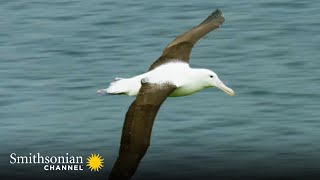
Short Overview: After 13 months and around 120000 miles, a male Northern Royal albatross finally arrives home: the windswept headland of ... Dinosaurs are well known for being absolute units, so it may not come as too much of a surprise, that the
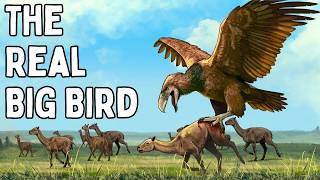
How The Largest Flying Bird Of All Time Stayed Airborne -
After 13 months and around 120000 miles, a male Northern Royal albatross finally arrives home: the windswept headland of ... Dinosaurs are well known for being absolute units, so it may not come as too much of a surprise, that the With a 24-foot wingspan, how did the prehistoric Pelagornis sandersi, the
Important details found
- After 13 months and around 120000 miles, a male Northern Royal albatross finally arrives home: the windswept headland of ...
- Dinosaurs are well known for being absolute units, so it may not come as too much of a surprise, that the
- With a 24-foot wingspan, how did the prehistoric Pelagornis sandersi, the
Why this topic is useful
The goal of this page is to make How The Largest Flying Bird Of All Time Stayed Airborne easier to scan, compare, and understand before opening related resources.
Frequently Asked Questions
What should readers check next?
Readers should check related pages, official references, or updated sources when details matter.
Why are related topics included?
Related topics help readers compare nearby references and understand the broader subject.
What is this page about?
This page summarizes How The Largest Flying Bird Of All Time Stayed Airborne and connects it with related entries, references, and supporting context.