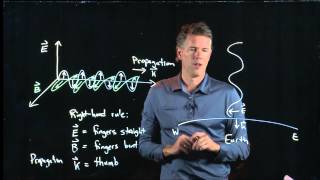
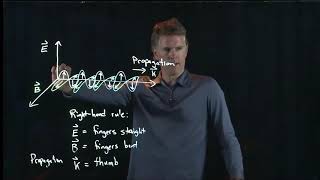
Topic Brief: For a long time they were separate, electric fields and magnetic fields.

How To Detect Electromagnetic Waves Physics With Professor Matt Anderson M25 03 -

Heart Health Considerations for this topic.

Important details found

  • For a long time they were separate, electric fields and magnetic fields.

Why this topic is useful

The goal of this page is to make How To Detect Electromagnetic Waves Physics With Professor Matt Anderson M25 03 easier to scan, compare, and understand before opening related resources.

Sponsored

Frequently Asked Questions

What should readers check next?

Readers should check related pages, official references, or updated sources when details matter.

Why are related topics included?

Related topics help readers compare nearby references and understand the broader subject.

What is this page about?

This page summarizes How To Detect Electromagnetic Waves Physics With Professor Matt Anderson M25 03 and connects it with related entries, references, and supporting context.

Supporting Images

How to Detect Electromagnetic Waves | Physics with Professor Matt Anderson | M25-03
Electromagnetic Wave Detector | Physics with Professor Matt Anderson | M25-07
Electromagnetic Energy | Physics with Professor Matt Anderson | M25-06
Intensity of Electromagnetic Waves | Physics with Professor Matt Anderson | M25-09
EM Waves
The Electromagnetic Spectrum | Physics with Professor Matt Anderson | M25-04
Wavelength of a Radar Signal | Physics with Professor Matt Anderson | M25-08
Electromagnetic Wave Propagation Vector  | Physics with Professor Matt Anderson | M25-13
Electromagnetic Waves Introduction | Physics with Professor Matt Anderson | M25-01
E Generates B and B Generates E | Physics with Professor Matt Anderson | M25-02
Sponsored
View Full Details
How to Detect Electromagnetic Waves | Physics with Professor Matt Anderson | M25-03

How to Detect Electromagnetic Waves | Physics with Professor Matt Anderson | M25-03

Read more details and related context about How to Detect Electromagnetic Waves | Physics with Professor Matt Anderson | M25-03.

Electromagnetic Wave Detector | Physics with Professor Matt Anderson | M25-07

Electromagnetic Wave Detector | Physics with Professor Matt Anderson | M25-07

Read more details and related context about Electromagnetic Wave Detector | Physics with Professor Matt Anderson | M25-07.

Electromagnetic Energy | Physics with Professor Matt Anderson | M25-06

Electromagnetic Energy | Physics with Professor Matt Anderson | M25-06

How does a microwave oven heat water? And how do we figure out the

Intensity of Electromagnetic Waves | Physics with Professor Matt Anderson | M25-09

Intensity of Electromagnetic Waves | Physics with Professor Matt Anderson | M25-09

What is intensity defined as, and how do we calculate it for an

EM Waves

EM Waves

Read more details and related context about EM Waves.

The Electromagnetic Spectrum | Physics with Professor Matt Anderson | M25-04

The Electromagnetic Spectrum | Physics with Professor Matt Anderson | M25-04

Read more details and related context about The Electromagnetic Spectrum | Physics with Professor Matt Anderson | M25-04.

Wavelength of a Radar Signal | Physics with Professor Matt Anderson | M25-08

Wavelength of a Radar Signal | Physics with Professor Matt Anderson | M25-08

Read more details and related context about Wavelength of a Radar Signal | Physics with Professor Matt Anderson | M25-08.

Electromagnetic Wave Propagation Vector  | Physics with Professor Matt Anderson | M25-13

Electromagnetic Wave Propagation Vector | Physics with Professor Matt Anderson | M25-13

Read more details and related context about Electromagnetic Wave Propagation Vector | Physics with Professor Matt Anderson | M25-13.

Electromagnetic Waves Introduction | Physics with Professor Matt Anderson | M25-01

Electromagnetic Waves Introduction | Physics with Professor Matt Anderson | M25-01

Read more details and related context about Electromagnetic Waves Introduction | Physics with Professor Matt Anderson | M25-01.

E Generates B and B Generates E | Physics with Professor Matt Anderson | M25-02

E Generates B and B Generates E | Physics with Professor Matt Anderson | M25-02

For a long time they were separate, electric fields and magnetic fields. But maybe these two things can coexist as one propagating ...