Quick Context: Discussion of TADs and A/B compartments, as well as how to identify them from heatmap visualizations. Brief overview of the different levels of physical organization of the

Mcb 182 Lecture 3 4 Genome Assembly Scaffolding Contigs -

Discussion of TADs and A/B compartments, as well as how to identify them from heatmap visualizations. Brief overview of the different levels of physical organization of the

Important details found

  • Discussion of TADs and A/B compartments, as well as how to identify them from heatmap visualizations.
  • Brief overview of the different levels of physical organization of the

Why this topic is useful

This format is designed to help readers move from a broad question into more specific pages without losing context.

Sponsored

Frequently Asked Questions

What is this page about?

This page summarizes Mcb 182 Lecture 3 4 Genome Assembly Scaffolding Contigs and connects it with related entries, references, and supporting context.

Is the information always complete?

Not always. Some topics may need verification from official or primary sources.

How should readers use this information?

Use it as a starting point, then open related pages for more specific details.

Image References

MCB 182 Lecture 3.4 - Genome assembly - Scaffolding contigs
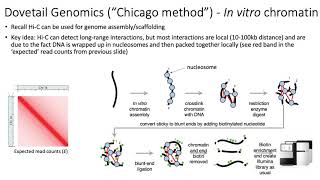
MCB 182 Lecture 10.8 - Choosing 3C assay, genome assembly with Hi-C
What are reads, contigs and scaffold?
MCB 182 Lecture 3.3 - Genome assembly - Overlap-layout-consensus assembly
MCB 182 Lecture 3.1 - Genome assembly - Overview
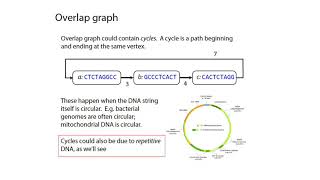
MCB 182 Lecture 3.2 - Genome assembly - overlap graphs
de Bruijn graph assembly
MCB 182 Lecture 10.1 - Overview of the physical organization of the genome
MCB 182 Lecture 10.6 - Topologically associated domains (TADs), A/B compartments
MCB 182 Lecture 1.1 - Review - Genome content
Sponsored
View Full Details
MCB 182 Lecture 3.4 - Genome assembly - Scaffolding contigs

MCB 182 Lecture 3.4 - Genome assembly - Scaffolding contigs

Read more details and related context about MCB 182 Lecture 3.4 - Genome assembly - Scaffolding contigs.

MCB 182 Lecture 10.8 - Choosing 3C assay, genome assembly with Hi-C

MCB 182 Lecture 10.8 - Choosing 3C assay, genome assembly with Hi-C

Read more details and related context about MCB 182 Lecture 10.8 - Choosing 3C assay, genome assembly with Hi-C.

What are reads, contigs and scaffold?

What are reads, contigs and scaffold?

Read more details and related context about What are reads, contigs and scaffold?.

MCB 182 Lecture 3.3 - Genome assembly - Overlap-layout-consensus assembly

MCB 182 Lecture 3.3 - Genome assembly - Overlap-layout-consensus assembly

Read more details and related context about MCB 182 Lecture 3.3 - Genome assembly - Overlap-layout-consensus assembly.

MCB 182 Lecture 3.1 - Genome assembly - Overview

MCB 182 Lecture 3.1 - Genome assembly - Overview

Read more details and related context about MCB 182 Lecture 3.1 - Genome assembly - Overview.

MCB 182 Lecture 3.2 - Genome assembly - overlap graphs

MCB 182 Lecture 3.2 - Genome assembly - overlap graphs

Read more details and related context about MCB 182 Lecture 3.2 - Genome assembly - overlap graphs.

de Bruijn graph assembly

de Bruijn graph assembly

Read more details and related context about de Bruijn graph assembly.

MCB 182 Lecture 10.1 - Overview of the physical organization of the genome

MCB 182 Lecture 10.1 - Overview of the physical organization of the genome

Brief overview of the different levels of physical organization of the

MCB 182 Lecture 10.6 - Topologically associated domains (TADs), A/B compartments

MCB 182 Lecture 10.6 - Topologically associated domains (TADs), A/B compartments

Discussion of TADs and A/B compartments, as well as how to identify them from heatmap visualizations.

MCB 182 Lecture 1.1 - Review - Genome content

MCB 182 Lecture 1.1 - Review - Genome content

Read more details and related context about MCB 182 Lecture 1.1 - Review - Genome content.