Main Takeaway: I explain excise taxes any show what happens to consumer surplus, producer surplus, and deadweight loss as a result of a tax. So, during times of inflation or deflation, why doesn't the government just set prices?

Microeconomics Subsidy -

I explain excise taxes any show what happens to consumer surplus, producer surplus, and deadweight loss as a result of a tax. So, during times of inflation or deflation, why doesn't the government just set prices? This week on Crash Course Econ, Jacob and Adriene are talking about failure.

Important details found

  • I explain excise taxes any show what happens to consumer surplus, producer surplus, and deadweight loss as a result of a tax.
  • So, during times of inflation or deflation, why doesn't the government just set prices?
  • This week on Crash Course Econ, Jacob and Adriene are talking about failure.
  • This video lesson illustrates and explains the effects that a per unit

Why this topic is useful

This topic is useful when readers need a quick overview first, then want to move into supporting details and related references.

Sponsored

Frequently Asked Questions

Why are related topics included?

Related topics help readers compare nearby references and understand the broader subject.

What is this page about?

This page summarizes Microeconomics Subsidy and connects it with related entries, references, and supporting context.

Is the information always complete?

Not always. Some topics may need verification from official or primary sources.

Topic Gallery

Microeconomics: Subsidy
Government Intervention- Micro Topic 2.8
Subsidies
Price Controls, Subsidies, and the Risks of Good Intentions: Crash Course Economics #20
Y1 18) Subsidy - Full Market Impact
Market Failures, Taxes, and Subsidies: Crash Course Economics #21
The Effects of a Per Unit Subsidy
Taxes on Producers- Micro Topic 2.8
Subsidies on Buyers / Consumers in Perfect Competition - Market Outcomes and Welfare (PS, CS, DWL)
Economics: Subsidies and Consumer & Producer Surplus
Sponsored
View Full Details
Microeconomics: Subsidy

Microeconomics: Subsidy

Read more details and related context about Microeconomics: Subsidy.

Government Intervention- Micro Topic 2.8

Government Intervention- Micro Topic 2.8

Hey Econ students! I'm back with new videos to help you learn and love economics. This video explores the effects of government ...

Subsidies

Subsidies

Read more details and related context about Subsidies.

Price Controls, Subsidies, and the Risks of Good Intentions: Crash Course Economics #20

Price Controls, Subsidies, and the Risks of Good Intentions: Crash Course Economics #20

So, during times of inflation or deflation, why doesn't the government just set prices? It sounds reasonable, but price ceilings or ...

Y1 18) Subsidy - Full Market Impact

Y1 18) Subsidy - Full Market Impact

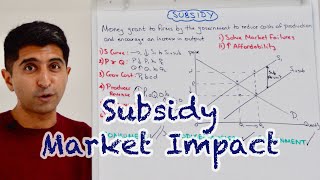
Read more details and related context about Y1 18) Subsidy - Full Market Impact.

Market Failures, Taxes, and Subsidies: Crash Course Economics #21

Market Failures, Taxes, and Subsidies: Crash Course Economics #21

This week on Crash Course Econ, Jacob and Adriene are talking about failure. Specifically, we're talking about market failures.

The Effects of a Per Unit Subsidy

The Effects of a Per Unit Subsidy

This video lesson illustrates and explains the effects that a per unit

Taxes on Producers- Micro Topic 2.8

Taxes on Producers- Micro Topic 2.8

I explain excise taxes any show what happens to consumer surplus, producer surplus, and deadweight loss as a result of a tax.

Subsidies on Buyers / Consumers in Perfect Competition - Market Outcomes and Welfare (PS, CS, DWL)

Subsidies on Buyers / Consumers in Perfect Competition - Market Outcomes and Welfare (PS, CS, DWL)

Read more details and related context about Subsidies on Buyers / Consumers in Perfect Competition - Market Outcomes and Welfare (PS, CS, DWL).

Economics: Subsidies and Consumer & Producer Surplus

Economics: Subsidies and Consumer & Producer Surplus

Read more details and related context about Economics: Subsidies and Consumer & Producer Surplus.