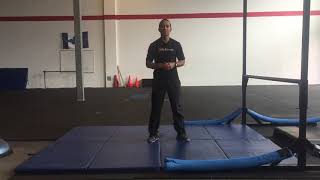
Reference Summary: When it comes to the push/pull machine, the pull is generally easier compared to the push. Generally, there are two positions you can assume for the push: being in tight to the machine, or being extended.

Pare Popat Training Back Fall Instructions -

When it comes to the push/pull machine, the pull is generally easier compared to the push. Generally, there are two positions you can assume for the push: being in tight to the machine, or being extended. Often times people will try landing the same direction when doing the arcing method over the 3 foot vault.

Important details found

  • When it comes to the push/pull machine, the pull is generally easier compared to the push.
  • Generally, there are two positions you can assume for the push: being in tight to the machine, or being extended.
  • Often times people will try landing the same direction when doing the arcing method over the 3 foot vault.

Why this topic is useful

This format is designed to help readers move from a broad question into more specific pages without losing context.

Sponsored

Frequently Asked Questions

What is this page about?

This page summarizes Pare Popat Training Back Fall Instructions and connects it with related entries, references, and supporting context.

Is the information always complete?

Not always. Some topics may need verification from official or primary sources.

How should readers use this information?

Use it as a starting point, then open related pages for more specific details.

Related Images

PARE/POPAT Training: Back Fall Instructions
Backward Fall PARE Test
PARE/POPAT Training: Getting up from the front falls (one leg at a time)
POPAT Training Tips - Setting Up for the Fall (Arcing Method)
PARE/POPAT Training - Avoid Jumping from a Dead Position
Forward Fall PARE Test
BEST WAY to PUSH on the Push/Pull Machine!
SHAVE SECONDS off your 4 Falls in the PARE!!
PARE/POPAT Training: Two Positions for the Push (Push/Pull Machine)
PARE/POPAT Training - Treat the Pull Like a Push
Sponsored
View Full Details
PARE/POPAT Training: Back Fall Instructions

PARE/POPAT Training: Back Fall Instructions

Read more details and related context about PARE/POPAT Training: Back Fall Instructions.

Backward Fall PARE Test

Backward Fall PARE Test

Read more details and related context about Backward Fall PARE Test.

PARE/POPAT Training: Getting up from the front falls (one leg at a time)

PARE/POPAT Training: Getting up from the front falls (one leg at a time)

Read more details and related context about PARE/POPAT Training: Getting up from the front falls (one leg at a time).

POPAT Training Tips - Setting Up for the Fall (Arcing Method)

POPAT Training Tips - Setting Up for the Fall (Arcing Method)

Often times people will try landing the same direction when doing the arcing method over the 3 foot vault. What I mean is, if you're ...

PARE/POPAT Training - Avoid Jumping from a Dead Position

PARE/POPAT Training - Avoid Jumping from a Dead Position

Are you struggling with your test? Do you need to achieve a competitive time? Contact our Team at redlineteam.ca ...

Forward Fall PARE Test

Forward Fall PARE Test

Read more details and related context about Forward Fall PARE Test.

BEST WAY to PUSH on the Push/Pull Machine!

BEST WAY to PUSH on the Push/Pull Machine!

Master the Physical Control Simulator! Struggling with the Physical Control Simulator in the

SHAVE SECONDS off your 4 Falls in the PARE!!

SHAVE SECONDS off your 4 Falls in the PARE!!

Read more details and related context about SHAVE SECONDS off your 4 Falls in the PARE!!.

PARE/POPAT Training: Two Positions for the Push (Push/Pull Machine)

PARE/POPAT Training: Two Positions for the Push (Push/Pull Machine)

Generally, there are two positions you can assume for the push: being in tight to the machine, or being extended. Both have their ...

PARE/POPAT Training - Treat the Pull Like a Push

PARE/POPAT Training - Treat the Pull Like a Push

When it comes to the push/pull machine, the pull is generally easier compared to the push. But it still has it's challenges, and one ...