Topic Brief: Meaning "fish lizard" in Greek, the aptly-named ichthyosaur once dominated the world's oceans for millions of years. Okyanusun en korkutucu ve en başarılı avcıları olan Mosazorlar için köpekbalıkları kolay bir yem sayılırdı.

Plesiosaurs 101 National Geographic -

Meaning "fish lizard" in Greek, the aptly-named ichthyosaur once dominated the world's oceans for millions of years. Okyanusun en korkutucu ve en başarılı avcıları olan Mosazorlar için köpekbalıkları kolay bir yem sayılırdı. Find out about the two major categories of fossils, how fossilization occurs, and how fossils ...

Important details found

  • Meaning "fish lizard" in Greek, the aptly-named ichthyosaur once dominated the world's oceans for millions of years.
  • Okyanusun en korkutucu ve en başarılı avcıları olan Mosazorlar için köpekbalıkları kolay bir yem sayılırdı.
  • Find out about the two major categories of fossils, how fossilization occurs, and how fossils ...
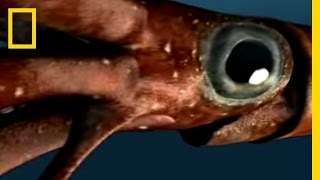
  • Alive for the first time in 82 million years: Tusoteuthis, Xiphactinus & Tylosaur.
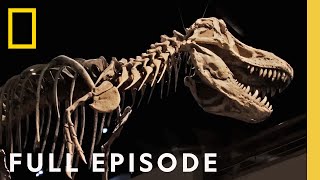
  • From Patagonia to Canada palaeontologists uncover the Real Jurassic Americas.

Why this topic is useful

This format is designed to help readers move from a broad question into more specific pages without losing context.

Sponsored

Frequently Asked Questions

What is this page about?

This page summarizes Plesiosaurs 101 National Geographic and connects it with related entries, references, and supporting context.

Is the information always complete?

Not always. Some topics may need verification from official or primary sources.

How should readers use this information?

Use it as a starting point, then open related pages for more specific details.

Related Images

Plesiosaurs 101 | National Geographic
Mosasaurs 101 | National Geographic
Ichthyosaurs 101 | National Geographic
Dinosaurs 101 | National Geographic
Are Birds Modern-Day Dinosaurs? | National Geographic
Tarih Öncesi 101 | Mosazorlar
Plesiosaurs | The Scariest Seamonster That Ever Existed
Fossils 101 | National Geographic
Secrets of the Dinosaurs: The Real Jurassic Americas (Full Episode) | Drain the Oceans
Sea Monsters 1 | National Geographic
Sponsored
View Full Details
Plesiosaurs 101 | National Geographic

Plesiosaurs 101 | National Geographic

While dinosaurs roamed the Earth, marine reptiles in the order

Mosasaurs 101 | National Geographic

Mosasaurs 101 | National Geographic

Read more details and related context about Mosasaurs 101 | National Geographic.

Ichthyosaurs 101 | National Geographic

Ichthyosaurs 101 | National Geographic

Meaning "fish lizard" in Greek, the aptly-named ichthyosaur once dominated the world's oceans for millions of years. Learn about ...

Dinosaurs 101 | National Geographic

Dinosaurs 101 | National Geographic

Over a thousand dinosaur species once roamed the Earth. Learn which ones were the largest and the smallest, what dinosaurs ...

Are Birds Modern-Day Dinosaurs? | National Geographic

Are Birds Modern-Day Dinosaurs? | National Geographic

An asteroid strike 66 million years ago devastated the dinosaurs. But today's birds are proof there were a few survivors.

Tarih Öncesi 101 | Mosazorlar

Tarih Öncesi 101 | Mosazorlar

Okyanusun en korkutucu ve en başarılı avcıları olan Mosazorlar için köpekbalıkları kolay bir yem sayılırdı. ➡ Abone Ol: ...

Plesiosaurs | The Scariest Seamonster That Ever Existed

Plesiosaurs | The Scariest Seamonster That Ever Existed

Read more details and related context about Plesiosaurs | The Scariest Seamonster That Ever Existed.

Fossils 101 | National Geographic

Fossils 101 | National Geographic

Fossils are echoes of an ancient past. Find out about the two major categories of fossils, how fossilization occurs, and how fossils ...

Secrets of the Dinosaurs: The Real Jurassic Americas (Full Episode) | Drain the Oceans

Secrets of the Dinosaurs: The Real Jurassic Americas (Full Episode) | Drain the Oceans

From Patagonia to Canada palaeontologists uncover the Real Jurassic Americas. Enjoy a free trial of

Sea Monsters 1 | National Geographic

Sea Monsters 1 | National Geographic

Alive for the first time in 82 million years: Tusoteuthis, Xiphactinus & Tylosaur. See more Sea Monsters!