Reference Summary: Dinosaurs are well known for being absolute units, so it may not come as too much of a surprise, that the If you thought the Quetzalcoatlus was the baddest (I know that is not a word) Pterosaur around 66 MYA, you may have to think ...
The Rise And Extinction Of The Largest Flying Animal Ever -
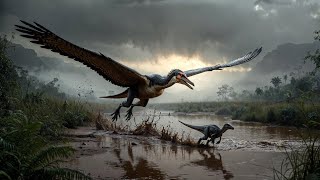
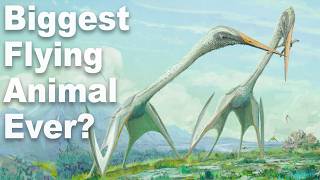
Dinosaurs are well known for being absolute units, so it may not come as too much of a surprise, that the If you thought the Quetzalcoatlus was the baddest (I know that is not a word) Pterosaur around 66 MYA, you may have to think ... Around sixty-eight million years ago, something massive was patrolling the vast open plains and wide skylines of America.
Important details found
- Dinosaurs are well known for being absolute units, so it may not come as too much of a surprise, that the
- If you thought the Quetzalcoatlus was the baddest (I know that is not a word) Pterosaur around 66 MYA, you may have to think ...
- Around sixty-eight million years ago, something massive was patrolling the vast open plains and wide skylines of America.
- Teachers and parents: scroll down to check out the Next Generation Science Standards (NGSS) for this episode!
- Step back 68 million years into the dangerous prehistoric world of Quetzalcoatlus — the
Why this topic is useful
The goal of this page is to make The Rise And Extinction Of The Largest Flying Animal Ever easier to scan, compare, and understand before opening related resources.
Frequently Asked Questions
What should readers check next?
Readers should check related pages, official references, or updated sources when details matter.
Why are related topics included?
Related topics help readers compare nearby references and understand the broader subject.
What is this page about?
This page summarizes The Rise And Extinction Of The Largest Flying Animal Ever and connects it with related entries, references, and supporting context.