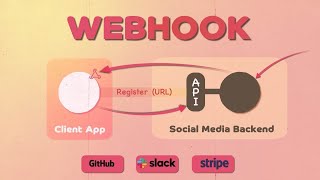
Quick Context: An API (Application Programming Interface) enables two-way communication between software applications driven by requests. UPDATE: New Video here: In the example provided in the video, the client app was mistakenly ...

Webhooks For Beginners From Polling To Real Time Events Explained -

An API (Application Programming Interface) enables two-way communication between software applications driven by requests. UPDATE: New Video here: In the example provided in the video, the client app was mistakenly ... Get a Free System Design PDF with 158 pages by subscribing to our weekly newsletter: Animation ...

Important details found

  • An API (Application Programming Interface) enables two-way communication between software applications driven by requests.
  • UPDATE: New Video here: In the example provided in the video, the client app was mistakenly ...
  • Get a Free System Design PDF with 158 pages by subscribing to our weekly newsletter: Animation ...

Why this topic is useful

The goal of this page is to make Webhooks For Beginners From Polling To Real Time Events Explained easier to scan, compare, and understand before opening related resources.

Sponsored

Frequently Asked Questions

What should readers check next?

Readers should check related pages, official references, or updated sources when details matter.

Why are related topics included?

Related topics help readers compare nearby references and understand the broader subject.

What is this page about?

This page summarizes Webhooks For Beginners From Polling To Real Time Events Explained and connects it with related entries, references, and supporting context.

Supporting Images

Webhooks for Beginners – From Polling to Real‑Time Events
Webhooks for Beginners From Polling to Real Time Events Explained
Top 3 Things You Should Know About Webhooks!
How WebHook works | System Design
APIs vs Webhooks
HTTP Polling vs SSE vs WebSocket vs WebHooks
Webhooks vs API Polling
Webhooks for Beginners - Full Course
Webhooks vs Websockets vs HTTP Streaming - Which Event-Driven API to use?
Webhooks vs Polling Explained | Real-Time Events Without Wasting Resources
Sponsored
View Full Details
Webhooks for Beginners – From Polling to Real‑Time Events

Webhooks for Beginners – From Polling to Real‑Time Events

Read more details and related context about Webhooks for Beginners – From Polling to Real‑Time Events.

Webhooks for Beginners From Polling to Real Time Events Explained

Webhooks for Beginners From Polling to Real Time Events Explained

Read more details and related context about Webhooks for Beginners From Polling to Real Time Events Explained.

Top 3 Things You Should Know About Webhooks!

Top 3 Things You Should Know About Webhooks!

Get a Free System Design PDF with 158 pages by subscribing to our weekly newsletter: Animation ...

How WebHook works | System Design

How WebHook works | System Design

UPDATE: New Video here: In the example provided in the video, the client app was mistakenly ...

APIs vs Webhooks

APIs vs Webhooks

An API (Application Programming Interface) enables two-way communication between software applications driven by requests.

HTTP Polling vs SSE vs WebSocket vs WebHooks

HTTP Polling vs SSE vs WebSocket vs WebHooks

Read more details and related context about HTTP Polling vs SSE vs WebSocket vs WebHooks.

Webhooks vs API Polling

Webhooks vs API Polling

Read more details and related context about Webhooks vs API Polling.

Webhooks for Beginners - Full Course

Webhooks for Beginners - Full Course

Read more details and related context about Webhooks for Beginners - Full Course.

Webhooks vs Websockets vs HTTP Streaming - Which Event-Driven API to use?

Webhooks vs Websockets vs HTTP Streaming - Which Event-Driven API to use?

As a backend engineer, it's crucial that you understand which

Webhooks vs Polling Explained | Real-Time Events Without Wasting Resources

Webhooks vs Polling Explained | Real-Time Events Without Wasting Resources

Read more details and related context about Webhooks vs Polling Explained | Real-Time Events Without Wasting Resources.