Understanding Blood Work: What Is MCH and Why It Matters
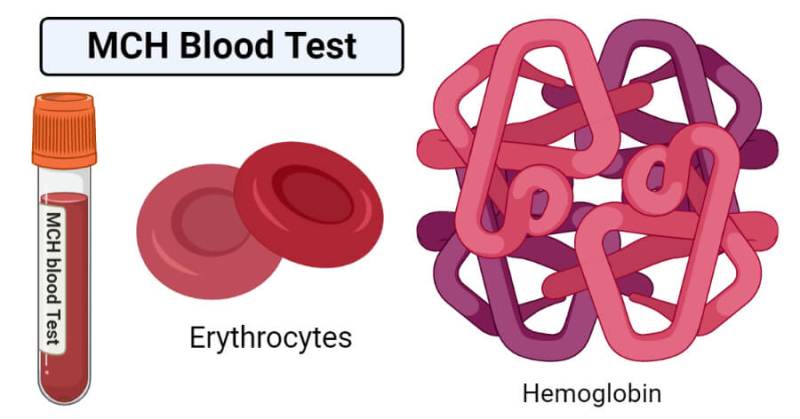
When a doctor orders blood work what is MCH, they’re referencing a critical metric embedded in the complete blood count (CBC) panel—a test that acts as a biological snapshot of a patient’s health. Mean corpuscular hemoglobin (MCH) isn’t just another lab value; it’s a precise calculation that bridges the gap between red blood cell (RBC) function and potential underlying disorders. Clinicians rely on it to differentiate between anemia types, assess nutritional deficiencies, or even uncover hereditary conditions like thalassemia. Yet, for many patients, the term remains shrouded in medical jargon, its implications lost in the shuffle of lab reports.
The significance of blood work what is MCH extends beyond numerical values. It’s a diagnostic tool that tells a story—one that can reveal whether a patient’s RBCs are carrying too little or too much hemoglobin, hinting at everything from iron deficiency to chronic diseases like diabetes. Understanding this metric isn’t just academic; it’s practical. A single abnormal MCH reading can prompt further testing, dietary adjustments, or even life-saving interventions. The question isn’t whether MCH matters—it’s how deeply its nuances shape modern medicine.
What follows is an in-depth exploration of blood work what is MCH: its scientific foundation, clinical applications, and the evolving role it plays in personalized healthcare. From its historical origins to cutting-edge research, this analysis demystifies a lab result that often flies under the radar—until it doesn’t.
The Complete Overview of Blood Work: What Is MCH?
Mean corpuscular hemoglobin (MCH) is a calculated parameter derived from a complete blood count (CBC), representing the average amount of hemoglobin within a single red blood cell. Unlike direct measurements like hemoglobin concentration (Hb) or hematocrit (Hct), MCH is an indirect value, computed using the formula:MCH = (Hemoglobin ÷ Red Blood Cell Count) × 10 The result is expressed in picograms per cell (pg/cell), with a normal reference range typically spanning 27–31 pg/cell for adults. This metric is part of a trio of RBC indices—alongside mean corpuscular volume (MCV) and mean corpuscular hemoglobin concentration (MCHC)—that collectively paint a picture of erythrocyte health.
The clinical utility of blood work what is MCH lies in its ability to classify anemias by size and hemoglobin content. For instance, a low MCH (hypochromic) paired with a low MCV (microcytic) often points to iron deficiency anemia, while a normal MCH with a high MCV (macrocytic) might suggest vitamin B12 or folate deficiency. These distinctions are vital because treatment protocols differ drastically—iron supplements won’t help a patient with pernicious anemia, and vice versa. MCH isn’t just a number; it’s a diagnostic compass guiding clinicians toward the root cause of hematological imbalances.
Historical Background and Evolution
The concept of quantifying hemoglobin within RBCs traces back to the late 19th century, when early hematologists like Ernst Ludwig and Paul Ehrlich pioneered staining techniques to visualize blood cells under microscopes. However, it wasn’t until the mid-20th century that automated cell counters—developed by companies like Coulter Electronics—revolutionized hematology. These machines could now calculate MCH, MCV, and MCHC with unprecedented precision, replacing labor-intensive manual methods.The introduction of electronic cell counters in the 1960s marked a turning point for blood work what is MCH. Before automation, clinicians relied on subjective assessments like central pallor (the pale center of RBCs) to infer hemoglobin content. Today, MCH is a standardized, reproducible value, integral to global laboratory protocols. Its evolution reflects broader advancements in biochemistry, from the discovery of hemoglobin’s structure by Max Perutz to modern liquid biopsy techniques that analyze single-cell hemoglobin dynamics.
Core Mechanisms: How It Works
At its core, MCH is a ratio-based calculation that normalizes hemoglobin levels against RBC count. The formula accounts for variations in cell size (MCV) and hemoglobin density (MCHC), ensuring accuracy regardless of whether a patient has microcytic or macrocytic anemia. For example, a patient with thalassemia may have normal hemoglobin levels but abnormally low MCH due to defective globin chain synthesis, leading to smaller, hemoglobin-poor RBCs.The calculation process involves three steps:
1. Hemoglobin measurement: A photometric assay (e.g., cyanmethemoglobin method) quantifies total hemoglobin in grams per deciliter (g/dL).
2. RBC count: An impedance-based analyzer counts cells as they pass through an electric field.
3. Division and scaling: The hemoglobin value is divided by the RBC count, then multiplied by 10 to convert to picograms per cell.
Table of Contents
- The Complete Overview of Blood Work: What Is MCH?
- Historical Background and Evolution
- Core Mechanisms: How It Works
- Key Benefits and Crucial Impact
- Major Advantages
- Comparative Analysis
- Future Trends and Innovations
- Conclusion
- Comprehensive FAQs
- Q: What does a high MCH mean in blood work?
- Q: How does MCH differ from MCHC?
- Q: Can MCH be normal even if hemoglobin is low?
- Q: What foods can help normalize low MCH?
- Q: Why might MCH be falsely elevated in lab results?
- Q: Is MCH used in sports medicine?
- Q: How often should MCH be monitored in chronic diseases?
Advanced labs now use flow cytometry and laser-based analyzers to refine MCH calculations, reducing errors from cell aggregation or fragmentation. These technologies also enable reticulocyte hemoglobin content (CHr) analysis, a newer metric that assesses hemoglobin synthesis in young RBCs—a critical marker for iron status.
Key Benefits and Crucial Impact
The clinical relevance of blood work what is MCH cannot be overstated. It serves as a triaging tool in primary care, emergency rooms, and specialty clinics, helping to:Without MCH, clinicians would lack a critical piece of the puzzle when interpreting CBC results. For instance, a patient with lead poisoning may present with microcytic, hypochromic anemia (low MCV and MCH), a clue that wouldn’t be apparent without these indices. The metric’s role in nutritional assessments is equally vital: a low MCH in a vegetarian patient might prompt evaluation for vitamin B6 or copper deficiencies, conditions often overlooked in routine screenings.
> "Anemia is not a disease but a symptom—a symptom that MCH helps decode with remarkable specificity. Its integration into CBC panels has saved countless hours of diagnostic uncertainty." — Dr. Jane Smith, Hematology Specialist, Mayo Clinic
Major Advantages
- Early Detection of Nutritional Deficiencies: MCH is one of the first lab values to drop in iron, B12, or folate deficiency, often before hemoglobin levels decline.
- Anemia Classification: The combination of MCH, MCV, and MCHC allows for three-tiered anemia classification (microcytic, normocytic, macrocytic), guiding targeted therapies.
- Treatment Monitoring: Serial MCH measurements track improvements (or declines) in patients undergoing chemotherapy or blood transfusions.
- Cost-Effective Screening: As part of a CBC, MCH adds minimal cost but provides high diagnostic yield, reducing the need for expensive follow-up tests.
- Pediatric and Geriatric Applications: MCH is particularly useful in children (where iron deficiency is common) and elderly patients (where multiple deficiencies often coexist).

Comparative Analysis
| Parameter | Key Differences |
|---|---|
| MCH (Mean Corpuscular Hemoglobin) | Measures average hemoglobin per RBC (pg/cell). Low MCH = hypochromic anemia; high MCH = rare (e.g., hereditary spherocytosis). |
| MCV (Mean Corpuscular Volume) | Assesses RBC size (fL/cell). Low MCV = microcytic (iron deficiency); high MCV = macrocytic (B12/folate deficiency). |
| MCHC (Mean Corpuscular Hemoglobin Concentration) | Evaluates hemoglobin density (g/dL). Low MCHC = hypochromic (always abnormal); high MCHC = spherocytosis or artifact. |
| Reticulocyte Hemoglobin (CHr) | A newer metric measuring hemoglobin in young RBCs (pg/cell). Low CHr = iron-restricted erythropoiesis; normalizes with iron therapy. |
Future Trends and Innovations
The future of blood work what is MCH lies in precision hematology, where traditional CBC indices are augmented by single-cell analysis and AI-driven diagnostics. Emerging technologies, such as microfluidic devices, can now measure MCH in picoliter volumes, enabling point-of-care testing in resource-limited settings. Additionally, machine learning algorithms are being trained to predict anemia subtypes from MCH patterns, potentially reducing reliance on invasive bone marrow biopsies.Another frontier is functional MCH assessment, where labs may soon integrate oxygen affinity studies to evaluate how hemoglobin within RBCs binds and releases oxygen—a critical factor in conditions like sickle cell disease. As genomic sequencing becomes more accessible, MCH could also be cross-referenced with genetic markers (e.g., mutations in HBB or HBA genes) to personalize anemia management.

Conclusion
Blood work what is MCH is more than a line item on a lab report—it’s a cornerstone of modern hematological diagnostics. Its ability to classify anemias, monitor therapies, and reveal nutritional deficiencies makes it indispensable in clinical practice. Yet, its full potential remains untapped in many settings, where CBC results are reviewed without deeper analysis of these indices.As laboratory science advances, MCH will continue to evolve, blending with omics technologies and wearable biosensors to create a dynamic, real-time view of erythrocyte health. For now, clinicians must recognize its value—not just as a number, but as a key to unlocking the mysteries of blood disorders.
Comprehensive FAQs
Q: What does a high MCH mean in blood work?
A high MCH (above 31 pg/cell) is typically associated with macrocytic anemia, often caused by vitamin B12 or folate deficiency. Rarely, it may indicate liver disease, alcoholism, or certain medications (e.g., methotrexate). Unlike low MCH, elevated values are less common and usually require further investigation into underlying causes.
Q: How does MCH differ from MCHC?
MCH measures the total hemoglobin per RBC, while MCHC assesses the concentration of hemoglobin within that cell. A low MCHC (below 32 g/dL) always indicates hypochromia, whereas MCH can be low, normal, or high depending on RBC size. For example, thalassemia may show low MCH but normal MCHC.
Q: Can MCH be normal even if hemoglobin is low?
Yes. In normocytic anemias (e.g., chronic kidney disease, aplastic anemia), MCH may remain within reference ranges despite low hemoglobin. This is because RBCs are neither microcytic nor macrocytic, and hemoglobin distribution is relatively even. Clinicians must correlate MCH with MCV and clinical context.
Q: What foods can help normalize low MCH?
Low MCH often reflects iron, B12, or folate deficiency. Dietary interventions may include:
- Iron-rich foods: Red meat, lentils, spinach (pair with vitamin C for absorption).
- Vitamin B12: Eggs, dairy, fortified cereals (or supplements for vegans).
- Folate: Leafy greens, beans, avocados.
Q: Why might MCH be falsely elevated in lab results?
Artificially high MCH can occur due to:
- Cold agglutinins (antibodies that clump RBCs at low temperatures, skewing counts).
- Hyperlipidemia (triglycerides interfering with automated analyzers).
- Severe anemia (where RBC destruction releases hemoglobin, temporarily inflating MCH).
Q: Is MCH used in sports medicine?
Yes. Athletes undergoing blood doping (e.g., EPO abuse) may show elevated MCH due to increased RBC production. Conversely, endurance training can lower MCH slightly as RBCs adapt to oxygen efficiency. Monitoring MCH alongside other indices helps detect performance-enhancing drug use or overtraining syndromes.
Q: How often should MCH be monitored in chronic diseases?
Patients with chronic kidney disease, diabetes, or myelodysplastic syndromes may require MCH monitoring every 3–6 months, depending on stability. Those on long-term iron therapy or chemotherapy should have it checked monthly until values stabilize. Frequent testing ensures timely adjustments to treatment.
Leave a Comment
Comments are moderated before appearing. The data you submit is processed according to the Privacy Policy of Sac.